Understanding Commercial Carpet Installation
When it comes to outfitting commercial spaces, selecting the right flooring option is crucial. Commercial carpet installation plays a significant role in defining the aesthetics, functionality, and comfort of workplaces, retail stores, and other business environments. Quality carpet can enhance a space, minimize noise, and provide a warm and welcoming atmosphere. In this guide, we will explore the ins and outs of commercial carpet installation, ensuring you have the knowledge to make informed decisions. For businesses considering this vital aspect of their design, commercial carpet installation not only offers aesthetic benefits but also longevity and ease of maintenance.
What is Commercial Carpet Installation?
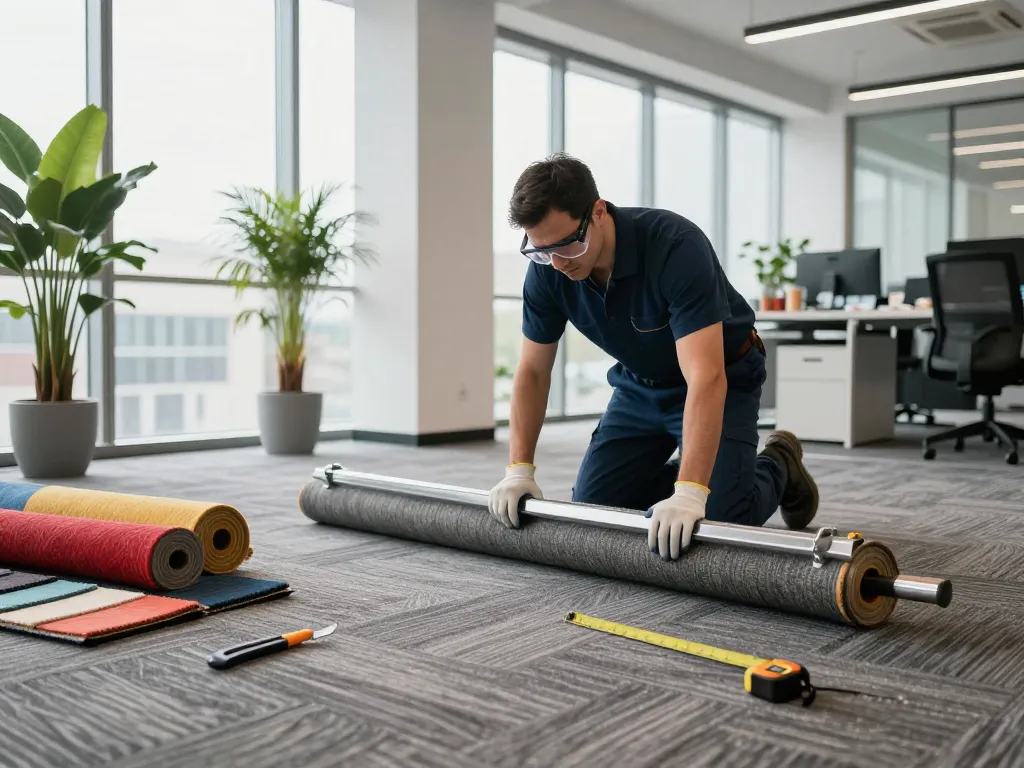
Commercial carpet installation refers to the process of laying down carpet in business environments, which could range from small offices to large corporate spaces and retail establishments. Unlike residential carpet, commercial carpeting is designed to withstand heavy foot traffic and wear and tear, making it a preferred choice for businesses looking for durability and style. The installation process typically involves several steps, including measuring the space, selecting material, preparing the subfloor, and finally, laying down the carpet.
Benefits of Choosing Quality Commercial Carpets
- Durability: Commercial carpets are engineered to endure the demands of high-traffic areas, ensuring they last longer than typical residential options.
- Sound Absorption: These carpets minimize noise levels, creating a more pleasant working environment.
- Aesthetic Appeal: Available in various designs and colors, commercial carpets can enhance a company’s branding and interior décor.
- Health Benefits: Quality carpets can trap allergens and pollutants, improving indoor air quality when maintained properly.
Common Misconceptions About Carpet Installation
Many people believe that carpet installation is a straightforward DIY task, but this is often not the case for commercial spaces. Professional installation is recommended to ensure proper fitting and long-term performance. Additionally, there is a misconception that all carpets are the same; however, materials, styles, and technologies vary significantly between commercial and residential options. Finally, some assume that carpet cleaning is too complicated, but with the right care, maintaining commercial carpeting can be both easy and cost-effective.
Factors to Consider Before Installation
Assessing Your Space: Size and Functionality
Before installing commercial carpet, begin by assessing the size of your space and its intended functionality. Different areas may require specific types of carpeting based on the level of foot traffic and the type of activities that occur. For instance, a bustling retail store may benefit from a more robust carpet material that can handle spills and heavy use, whereas an office may prioritize comfort underfoot for employees who spend long hours at their desks.
Choosing the Right Carpet Material
Choosing the appropriate carpet material is essential for matching your commercial flooring to your needs. Common materials include nylon, polyester, and olefin, each offering different levels of durability, stain resistance, and pricing. Nylon is typically favored for its resilience, while polyester may appeal to budget-conscious buyers due to its lower cost. Consider the specific requirements of your space, such as moisture exposure in locations like kitchens or restrooms, when making your selection.
Budgeting for Commercial Carpet Installation Costs
Budgeting for commercial carpet installation involves more than just the price of the carpet itself. Additional costs include underlayment, padding, adhesives, and professional installation services. On average, the cost of commercial carpet ranges from $2.50 to $7.50 per square foot installed, depending on various factors such as material choice and project scope. Creating a comprehensive budget that accounts for all these elements will help prevent unexpected expenses.
Preparation Steps for Installation
Measuring Your Space Accurately
Accurate measurements are vital for a successful carpet installation. Start by measuring the length and width of your rooms, accounting for any irregularities like alcoves or doorways. It’s advisable to include a little extra material to accommodate any mistakes during cutting. Engaging a professional for this step can ensure precision and prevent costly errors.
Preparing the Subfloor for Carpet Installation
A good installation begins with a well-prepared subfloor. Ensure that the surface is clean, dry, and level. Any imperfections, such as cracks or uneven areas, should be addressed before carpet laying begins. Depending on the existing flooring, you might need to remove old carpeting or refinish the subfloor to create a solid foundation for the new carpet.
Planning Out Carpet Layouts Effectively
Before installation, planning your carpet layout can enhance the final look and performance of your flooring. Consider the direction of the carpet pile and how it aligns with light sources and foot traffic patterns. A well-planned layout can improve aesthetics and ensure a smoother installation process.
Installation Process Overview
Step-by-Step Guide to Carpet Installation
The carpet installation process typically follows these steps:
- Cutting the Carpet: After measuring, the carpet is cut according to the dimensions of the space.
- Installing the Padding: A layer of carpet padding is installed to enhance comfort and extend carpet life.
- Seaming: If multiple pieces of carpet are required, seams are created to ensure they lie flat and are almost invisible.
- Stretching: The carpet is stretched to remove wrinkles and ensure a proper fit.
- Tacking: Finally, the carpet is tacked down along the edges and around any cutouts for vents or electrical outlets.
Common Installation Techniques Used
Depending on the type of carpet and the space, several installation techniques may be employed, including:
- Glue-Down Method: Popular for its secure fit, this involves adhering the carpet directly to the subfloor with glue.
- Stretch-in Method: This method uses tack strips around the edges of the room, allowing for easier removal and replacement.
- Tile Installation: Carpet tiles are a versatile option that can be easily replaced if damaged.
Post-Installation Care and Maintenance Tips
Once your carpet is installed, maintaining it is crucial for longevity. Regular vacuuming, spot cleaning, and professional deep cleaning every 12-18 months can keep your carpet looking new. Pay attention to high-traffic areas, as they may require more frequent cleaning to prevent wear and tear.
Future Trends in Commercial Carpet Installation
Eco-Friendly Carpet Options Gaining Popularity
As sustainability becomes a priority for more businesses, eco-friendly carpet options are gaining traction. Carpets made from recycled materials or natural fibers not only reduce environmental impact but also appeal to consumers who value corporate responsibility. Brands are increasingly offering products with lower carbon footprints, contributing to a greener future.
Technological Innovations in Carpet Installation
Advancements in technology are also changing the landscape of carpet installation. Innovations such as digital printing allow for more intricate designs, while modular carpet tiles simplify replacement processes. Moreover, tools like laser measuring devices enhance installation accuracy, leading to quicker turnaround times and less waste.
Predictions for Commercial Carpet Styles in 2026
As we look toward 2026, trends suggest a movement towards bold colors and patterns that make a statement in commercial spaces. Textured carpets may also rise in popularity, as they add depth and visual interest. Additionally, the ongoing shift towards hybrid workspaces will influence carpet selections, favoring options that promote comfort and versatility.
How Much Does Commercial Carpet Cost Installed?
Understanding installation costs is critical for budgeting. On average, you can expect to pay between $2.50 and $7.50 per square foot installed. Various factors—including the carpet type, quality of materials, and labor costs—can affect this price. For larger projects, it’s advisable to collect multiple quotes to ensure you receive competitive pricing.
What Are the Advantages of Professional Carpet Installation?
While DIY installation might seem appealing, professional carpet installation offers numerous advantages. Experts provide precision, ensuring that measurements are accurate, materials are installed correctly, and warranties are upheld. Additionally, professional installers are familiar with various flooring types and can offer valuable insights specific to your space.
Can I Install Commercial Carpet Myself?
While it’s certainly possible for someone with DIY experience to install commercial carpet, it’s often not recommended for larger or more complex spaces. Professional installation guarantees a higher quality finish and can save time and potential frustration in the long run. For businesses, investing in professional services is often more beneficial.
How Do I Maintain Commercial Carpets?
Maintaining commercial carpets involves regular vacuuming to remove debris and spills. Quick attention to stains can prevent permanent damage, and periodic professional cleaning helps maintain the carpet’s appearance. Implementing a strict cleaning schedule will extend the life of your carpet and keep your business looking its best.
What Qualities Should I Look for in Commercial Carpet?
When selecting a commercial carpet, consider durability, stain resistance, and maintenance requirements. Additionally, look for carpets that offer warranties, which indicate quality and provide peace of mind. Analyze the aesthetic appeal as well, ensuring it aligns with your business’s brand and environment.