
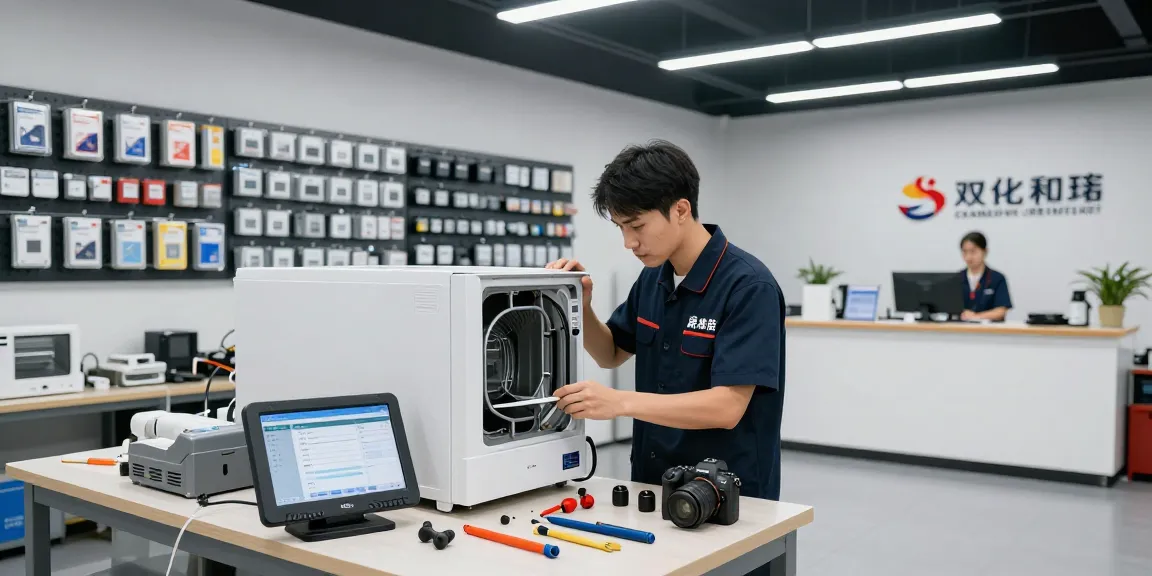
Understanding the Best CRM for Appliance Repair Businesses
In today’s competitive landscape, appliance repair businesses face myriad challenges, from managing customer interactions to streamlining their operational processes. A robust Customer Relationship Management (CRM) system can provide the essential tools needed to enhance efficiency and improve customer satisfaction. When exploring options, * best CRM for appliance repair business offers comprehensive insights into how to leverage technology for growth.
What is CRM and Why It Matters in Appliance Repair?
CRM stands for Customer Relationship Management. It is a technology that organizations use to manage interactions with current and potential customers. In the context of an appliance repair business, a CRM solution can help streamline communication, track service requests, and manage customer data effectively. By providing a centralized platform for customer interactions, CRMs enable businesses to improve service response times, enhance customer relationships, and ultimately increase sales.
Key Features to Look for in a CRM
Choosing the right CRM for your appliance repair business is critical to ensuring it meets your operational needs. Here are some essential features to consider:
- Work Order Management: Ability to create, track, and manage work orders efficiently.
- Automated Scheduling: Tools for automatically scheduling jobs based on technician availability and location.
- Customer Communication: Integrated tools for managing customer interactions, including SMS and email notifications.
- Reporting and Analytics: Capabilities for tracking performance metrics and customer satisfaction.
- Mobile Access: Apps or mobile-friendly interfaces that allow technicians to access information on the go.
How CRM Solutions Improve Customer Experience
Implementing a CRM can significantly enhance the customer experience in appliance repair businesses. By tracking interactions and service history, businesses can personalize their communication with customers, ensuring timely follow-ups and efficient service. Moreover, automated notifications regarding service appointments and updates can keep customers informed and engaged, leading to higher satisfaction rates.
Benefits of Implementing CRM Solutions
Streamlining Operations with Automation
Automation is one of the primary benefits of integrating a CRM system into your appliance repair business. It reduces manual work by automating repetitive tasks such as scheduling appointments, sending invoices, and tracking customer interactions. This saves time, allowing technicians to focus more on their core responsibilities, such as service delivery and customer engagement.
Enhancing Communication and Efficiency
Effective communication is vital to seamless operations. CRMs facilitate better coordination between office staff and field technicians by providing a shared platform for updates and notifications. By ensuring everyone is on the same page, businesses can respond faster to customer inquiries and service requests, thus enhancing overall operational efficiency.
Tracking Performance Metrics Effectively
With CRM systems, appliance repair businesses can gain insights into key performance indicators (KPIs) such as customer satisfaction ratings, response times, and service completion rates. By analyzing this data, businesses can identify areas for improvement, adjust strategies, and make informed decisions that enhance profitability and service quality.
Choosing the Right CRM: Factors to Consider
Cost vs. Value: What to Expect
When selecting a CRM, it is important to assess both the initial cost and the potential value it can deliver. Many CRMs offer tiered pricing models that provide varying features. Analyzing your specific needs and the return on investment (ROI) of the CRM is crucial for understanding which solution will provide the best value for your appliance repair business.
Integration Capabilities with Existing Systems
Your chosen CRM should seamlessly integrate with existing software platforms, such as accounting tools or scheduling applications. This interoperability ensures that all systems work together, minimizing the need for duplicate entries and reducing the risk of errors.
User Experience: Ease of Use for Technicians
The usability of a CRM is paramount, especially for technicians who may not be tech-savvy. Select a system with an intuitive interface, ensuring that all team members can navigate the platform without extensive training. A user-friendly CRM can improve adoption rates and enhance overall productivity.
Case Studies: Success with CRM Implementation
Real-world Examples of CRM Success in Appliance Repair
Numerous appliance repair companies have successfully implemented CRM solutions to address their operational challenges. For instance, a mid-sized company that adopted a CRM system saw a 30% increase in customer satisfaction scores within six months. By streamlining communication and providing real-time updates, they enhanced their service delivery significantly.
Lessons Learned from Industry Leaders
Industry leaders often emphasize the importance of adaptability when implementing new CRM solutions. Understanding that no single solution fits all scenarios is vital; tailoring the CRM to fit specific business needs can lead to better outcomes. Listening to technician feedback during the implementation process can also lead to valuable insights for optimization.
Impact on Revenue and Customer Satisfaction
The financial impact of a CRM can be profound. Companies that effectively leverage CRM technology often report increased sales and customer retention rates. Enhanced communication and real-time data access lead to faster service times, which correlate with improved customer satisfaction and loyalty.
Future Trends in CRM for Appliance Repair Businesses
Emerging Technologies and Innovations
The future of CRMs in the appliance repair industry is poised for significant technological advancements. Features like artificial intelligence (AI) and machine learning are becoming common, allowing businesses to predict customer needs and automate responses. Integration with Internet of Things (IoT) devices can also facilitate proactive maintenance services, positioning businesses to offer value-added services.
Predictions for CRM Development in 2026
As we move toward 2026, we can expect CRMs to become increasingly sophisticated, offering deeper analytics capabilities and greater customization options. Businesses will gain access to a wealth of data, enabling more informed decision-making and targeted marketing strategies, ultimately leading to improved customer acquisition and retention rates.
Preparing for Industry Changes and Customer Expectations
Staying ahead of emerging trends is vital for appliance repair businesses. As customer expectations evolve towards on-demand and personalized services, CRMs must adapt to facilitate these changes. Investing in flexible CRM solutions that evolve with market changes will be essential for maintaining competitiveness.
What are the key benefits of using a CRM?
The key benefits of using a CRM include improved customer relationships, enhanced efficiency through automation, better communication between teams, and access to valuable analytics for informed decision-making. These benefits collaboratively lead to increased customer satisfaction and loyalty.
How does CRM impact customer satisfaction?
CRM systems enhance customer satisfaction by providing a structured framework for managing interactions and service requests. This leads to quicker response times, personalized communication, and overall more reliable service, all of which contribute to higher satisfaction ratings.
What features should I prioritize when choosing a CRM?
Prioritize features such as work order management, automated scheduling, customer communication tools, and advanced reporting capabilities when selecting a CRM. These functionalities will empower your appliance repair business to operate more effectively and cater to customer needs efficiently.
Can small appliance repair businesses benefit from CRM?
Absolutely! Small appliance repair businesses can greatly benefit from CRM systems by organizing customer data, streamlining scheduling, and automating communications. A CRM can help small businesses compete effectively against larger firms by enhancing service delivery and customer engagement.
How to measure the success of your CRM implementation?
To measure the success of a CRM implementation, track key performance indicators such as customer satisfaction scores, service response times, and revenue growth. Regularly soliciting feedback from both customers and staff can provide insights into the CRM’s effectiveness and help identify areas for improvement.