
The Importance of Family Storytelling in Learning
Storytelling is an age-old activity that has the remarkable power to enhance learning in young minds. Family storytelling not only fosters emotional bonds but also plays a crucial role in vocabulary development. When parents and children share stories, they engage in a dialogue that nurtures language skills. This connection between storytelling and learning can enrich your child’s understanding of the world, making it a vital component of family interactions. For families seeking resources and ideas to integrate storytelling into their lives, thestorybookstomach.com offers a wealth of inspiration.
How Storytelling Enhances Vocabulary Development
Through storytelling, children are exposed to new words and phrases, which can significantly enhance their vocabulary. When listening to stories, kids encounter language in context, helping them grasp meanings and uses effectively. In fact, research shows that children who engage with stories regularly develop a broader vocabulary than their peers. This is because stories often introduce words in a narrative format, allowing children to associate them with emotions, characters, and events, making them easier to remember and use.
Benefits of Family Meal Times as Storytelling Opportunities
Family meals are a perfect time for storytelling. As you gather around the dinner table, sharing stories not only makes the experience more enjoyable but also stimulates conversation and enhances learning. Parents can encourage their children to share their daily experiences, turning meals into narrative sessions that build communication skills. These shared stories foster a sense of belonging and togetherness, which is essential for a child’s emotional and social development.
Engaging Children Through Culinary Narratives
Food itself can be a powerful narrative tool. By discussing the origins of a dish, its cultural significance, or personal memories tied to certain meals, parents can engage their children in storytelling. For example, sharing the story of how a family recipe was passed down through generations not only teaches children about their heritage but also makes them more interested in trying out new foods. Culinary narratives enrich children’s understanding of the world while making mealtime a more engaging and educational experience.
Creating Memorable Moments with Food
Food has an unparalleled ability to evoke memories and create shared experiences that families cherish. In a busy world, carving out time to share meals can help instill traditions that children will remember fondly. Moreover, with the right strategies, even the most hectic families can enjoy quick and healthy meals together.
Quick and Healthy Recipes for Busy Families
When time is limited, parents often struggle to provide healthy meals that kids will enjoy. Fortunately, a variety of quick and nutritious recipes can cater to the family’s taste while preserving valuable time. For instance, incorporating one-pot meals or sheet pan recipes can minimize cooking and cleaning time while maximizing flavors and nutrients. Here are some examples:
- Sheet Pan Chicken and Veggies: Toss chicken thighs with seasonal vegetables and your favorite spices, then roast until golden.
- One-Pot Pasta Primavera: Combine pasta, fresh vegetables, and a light sauce for a hearty but quick meal.
- Healthy Breakfast Smoothies: Blend fruits, yogurt, and spinach for a nutritious start to the day that takes less than five minutes.
Easy Meal Planning Strategies for Tired Parents
Meal planning can alleviate the stress of cooking during busy weekdays. One effective strategy is to dedicate time once a week to plan meals, prepare ingredients, and create a shopping list. Batch cooking on weekends can also save precious time during the week, allowing the family to enjoy home-cooked meals without the rush. Always remember to involve the children in meal preparation; it can be a fun learning experience and an opportunity to bond as a family.
How to Involve Kids in Cooking and Meal Prep
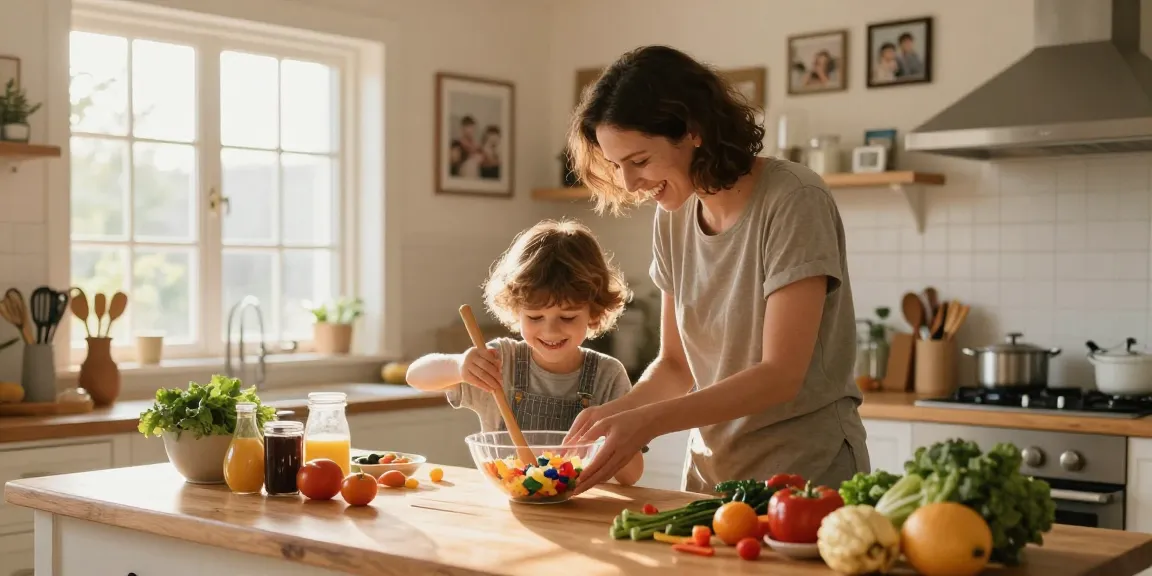
Children are naturally curious and often eager to help in the kitchen. Involving them in cooking not only teaches valuable skills but also encourages healthy eating habits. Here are a few ways to include kids in meal preparation:
- Let Them Choose: Allow children to pick a recipe or ingredient for dinner each week to encourage their involvement and investment in meals.
- Assign Simple Tasks: Kids can wash vegetables, measure ingredients, or stir pots, making them feel like essential contributors to the process.
- Storytelling During Cooking: Share anecdotes related to the dish being prepared or its ingredients. This can foster a sense of connection and spark curiosity about different cultures.
Fun Learning Activities for Children
Learning doesn’t have to be confined to textbooks or classrooms. Incorporating fun activities into daily routines can significantly enhance children’s learning experiences. Creative play and hands-on activities not only foster cognitive development but also encourage family bonding.
Hands-On DIY Crafts that Foster Creativity
Crafts can be an excellent method for children to express their creativity while learning new skills. DIY projects that align with educational objectives, such as phonics crafts or art inspired by literature, can be both fun and beneficial. Creating a personalized storybook or making letter-shaped crafts can help improve their understanding of letters and sounds.
Fun Games to Teach Math and Numbers at Home
Math skills can be developed naturally through games and activities that make learning engaging. Simple board games that involve counting, or even cooking together where measuring ingredients is necessary, can enhance math skills without feeling like a chore. Here are some game ideas:
- Counting Cookies: Bake cookies and have kids count how many they make, reinforcing number skills.
- Math Bingo: Create bingo cards with math problems that children have to solve to win.
- Shopping Games: Use pretend money to ‘buy’ items in the house, allowing kids to practice addition and subtraction.
Integrating Learning into Daily Family Routines
Integrating learning into everyday family routines not only promotes academic skills but also reinforces concepts learned in more formal environments. Whether it’s a brief reading session before bedtime, a nature walk discussing different plants, or cooking while exploring measurements and proportions, these interactions promote a holistic learning environment that can significantly impact children’s growth.
Positive Parenting Strategies for Family Harmony
Maintaining harmony in family dynamics is essential for the emotional well-being of both parents and children. Embracing strategies that foster open communication and healthy relationships can transform the household into a nurturing environment.
Encouraging Open Communication Among Siblings
Encouraging siblings to express their feelings openly can enhance their emotional intelligence and strengthen their bond. Regular family meetings can serve as a platform where each child shares their thoughts, concerns, or achievements. This practice nurtures respect and understanding, reducing sibling rivalry and promoting harmony.
Positive Discipline Techniques that Work
Discipline doesn’t have to be punitive. Positive discipline techniques focus on guiding children through reasoning and understanding rather than punishment. For instance, instead of yelling, calmly explaining the consequences of their actions teaches responsibility. Utilizing time-outs not as a punishment, but as a moment for children to reflect and calm down, is another effective practice.
Finding Your Unique Parenting Style
Every family is unique, and finding a parenting style that works for your family is crucial. Understanding different styles—be it authoritative, permissive, or authoritative—can help you adapt your approach to meet your children’s needs better. Being flexible and open to changing your methods can promote a healthier family dynamic and enhance overall well-being.
Staying Updated with Parenting Trends in 2026
As the world evolves, so do parenting trends. Staying informed about current trends can help parents adapt to changes and continue providing the best for their children. Here are some trends that are shaping parenting in 2026:
Future of Family Engagement in Education
In 2026, the emphasis on family engagement in education is expected to increase. Parents are encouraged to take an active role in their child’s education through volunteering at schools, participating in parent-teacher associations, and utilizing community resources. Creating a collaborative relationship with educators can significantly impact children’s academic outcomes.
Emerging Cooking Trends for Modern Families
With health and convenience being priorities for many families, cooking trends are expected to lean towards meal prep kits, plant-based diets, and sustainable cooking practices. Parents are increasingly looking for ways to incorporate nutrition into their meals while keeping preparation times manageable. This shift encourages families to be more conscious of their food choices and engage in healthier eating habits.
Resources for Continuous Learning and Growth
Access to resources for learning continues to expand. Online platforms, apps, and community programs provide parents and children with vast opportunities for growth. Staying current with these resources can empower families to create enriching environments at home that support curiosity and lifelong learning.
What benefits does storytelling provide for children?
Storytelling encourages language development, enhances comprehension, and fosters emotional connections, making it a beneficial activity for children.
How can I make cooking a fun learning activity?
Incorporate storytelling, assign kid-friendly tasks, and encourage ingredient exploration to make cooking engaging for children.
What are effective ways to manage family dynamics?
Encourage open communication, utilize positive discipline strategies, and be flexible in your parenting approach to foster harmony within the family.
How can I incorporate educational games into daily routines?
Integrate games that promote math, reading, and creative skills into daily activities such as cooking, shopping, and playtime.
What new parenting trends should I be aware of in 2026?
Stay informed about family engagement in education, cooking trends focused on health and sustainability, and access to continuous learning resources.
