
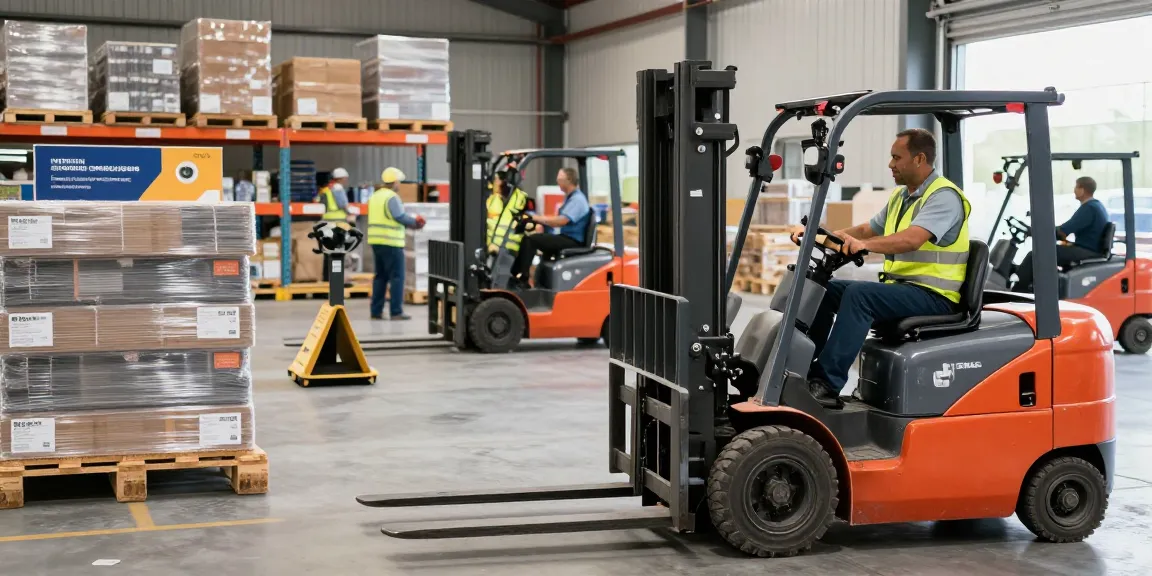
Understanding the Basics of Electric Stackers
In the realm of material handling, electric stackers have emerged as a cornerstone for modern warehouses and logistics operations. These versatile machines not only streamline lifting and stacking tasks but also contribute to enhanced efficiency and reduced operational costs. With a growing emphasis on sustainability, electric stackers are becoming increasingly favored over their traditional counterparts. When exploring options, stacker low price options are crucial for businesses looking to optimize their equipment investments.
What are Electric Stackers?
Electric stackers are powered lifting devices designed to handle, lift, and stack loads. Operating on electric power, these machines are equipped with a variety of features tailored for different capacities and functionalities, making them suitable for various industrial applications. Ranging from compact models ideal for narrow aisles to heavy-duty versions capable of handling substantial loads, electric stackers play a critical role in warehouse operations.
Key Features and Benefits of Electric Stackers
- Efficiency: Electric stackers can swiftly navigate through tight spaces, facilitating quicker operations.
- Cost-Effective: Reduced energy consumption and lower maintenance costs make electric stackers a smart long-term investment.
- Environmentally Friendly: With zero emissions, electric stackers align with growing environmental standards.
- Safety Features: Many models are equipped with safety mechanisms, ensuring safer operations for operators and warehouse staff.
Comparing Electric Stackers to Traditional Models
When juxtaposing electric stackers with traditional gas or diesel-powered options, the benefits of electric models become apparent. Electric stackers typically offer lower operational costs, greater safety, and quieter performance. Moreover, the advancements in battery technology have led to longer operation times, making these machines increasingly viable for heavy-duty tasks.
Why Stacker Low Price Matters for Businesses
The financial landscape of running a business often hinges on equipment costs, making the availability of affordable yet effective machinery paramount. Low-priced electric stackers can significantly impact your bottom line and facilitate better investment in other areas of your operation. Understanding how to leverage stacker low price options is essential for maintaining competitiveness in the market.
The Impact of Equipment Costs on Your Bottom Line
Equipment costs are a major consideration for any business, affecting everything from cash flow to profitability. Choosing the right electric stacker at a low price can result in immediate savings. However, it’s important to balance the initial cost with the expected lifespan and performance of the equipment. Investing in quality at a lower price can mitigate unforeseen expenses down the line.
Assessing Total Cost of Ownership
When evaluating electric stackers, consider not just the purchase price but the total cost of ownership (TCO). This includes maintenance, repairs, energy consumption, and potential downtime. A cheaper upfront price might lead to higher long-term costs if the stacker is less reliable or requires frequent repairs. Therefore, thorough research and user reviews are critical in assessing TCO.
Reinvestment Strategies Using Savings from Low Prices
By saving on equipment costs through careful selection of low-priced stackers, businesses can redirect funds towards other growth initiatives. This might be investing in employee training, enhancing safety measures, or even expanding product lines. A strategic approach to reinvestment can significantly bolster overall business performance.
Identifying Quality Electric Stackers at Low Prices
Finding a high-quality electric stacker at a low price requires a keen eye and informed decision-making. It’s crucial to have clear criteria to assess quality without overspending. Look for features that enhance productivity and are supported by reputable brands, ensuring that you make a sound investment in your operations.
Essential Features to Look for in Affordable Models
- Lifting Capacity: Ensure that the stacker meets the load requirements of your specific tasks.
- Battery Life: Look for models with robust battery systems that allow for prolonged use without frequent recharging.
- Size and Maneuverability: Assess whether the stacker can conveniently operate in your facility’s tight spaces.
- Safety Features: Important safety mechanisms should never be overlooked, particularly in fast-paced environments.
Common Pitfalls When Choosing Low-Price Equipment
While it’s tempting to opt for the lowest price available, this strategy can lead to disappointment. Common pitfalls include ignoring warranty terms, underestimating the importance of after-sales support, and failing to consider operational compatibility with existing equipment. Thoroughly vetting potential purchases can prevent costly mistakes.
How to Evaluate Vendor Reputation and Customer Support
Before committing to a purchase, take the time to investigate the vendor’s reputation. Customer reviews, testimonials, and ratings on platforms can provide insights into the quality of their products and support. A reliable vendor will offer not only a quality product but also robust customer service to assist with any issues that may arise post-purchase.
The Future of Electric Stackers and Pricing Trends
As we navigate further into 2026, the market for electric stackers is expected to evolve significantly due to technological advancements and changing economic conditions. Keeping abreast of these trends can help businesses plan their equipment investments strategically.
Emerging Technologies Influencing Prices in 2026
The introduction of smart technologies is transforming the operational landscape for electric stackers. Features such as IoT connectivity, automated controls, and advanced battery management systems are becoming standard. While these innovations may initially elevate prices, their long-term benefits can justify the investment.
Market Trends and Their Effect on Equipment Costs
Economic factors, such as supply chain fluctuations and global commodity prices, play crucial roles in determining equipment costs. Businesses should stay informed about market trends, as these can directly impact pricing strategies for electric stackers. Adapting quickly to market changes can give companies a competitive edge.
Environmental Regulations and Their Economic Impact
With an increasing focus on sustainable practices, emerging environmental regulations will likely affect the manufacturing and pricing of electric stackers. Businesses that proactively align with these regulations may find themselves benefiting from grants, rebates, or incentives from government programs aimed at promoting green technologies.
Frequently Asked Questions
What is the average price range for electric stackers?
The average price for electric stackers can vary widely based on specifications and features, typically ranging from $3,000 to $15,000. Factors influencing price include lifting capacity, battery technology, and additional features.
How can I ensure I am getting quality when purchasing at a low price?
To ensure quality, research thoroughly, read reviews, and evaluate the vendor’s reputation. Look for warranties and service contracts that provide assurances about the equipment’s reliability and longevity.
Are there financing options available for electric stackers?
Yes, many vendors offer financing options to help businesses acquire electric stackers without straining their budgets. Options may include lease agreements, installment plans, or special financing rates.
How do electric stackers compare in performance and cost savings?
Electric stackers generally provide greater cost savings over time compared to traditional gas-powered models, thanks to lower energy costs, reduced maintenance, and increased productivity. These factors support a compelling argument for their growing adoption in warehouse operations.
What maintenance considerations should I keep in mind with affordable stackers?
Maintenance is critical for all equipment, including affordable stackers. Regular checks of battery health, tire conditions, and overall operational performance can help prolong the lifespan of the machinery while ensuring optimal performance.