Understanding the Basics of Hinge Supplier Selection
Selecting the right hinge supplier is crucial for ensuring the durability, functionality, and aesthetics of your projects. Whether you’re in construction, furniture manufacturing, or any other industry requiring hinges, understanding the nuances of hinge suppliers can enhance your operational efficiency significantly. In this article, we will delve into essential factors to consider when selecting a Hinge Supplier, the quality standards you should assess, and how to ensure long-lasting relationships with your suppliers.
What to Look for in a Hinge Supplier
The process of selecting a hinge supplier should begin with a careful evaluation of their capabilities. Important criteria to consider include:
- Experience: An experienced supplier will possess a wealth of knowledge that benefits your project. Consider their years in business and their specialization.
- Reputation: Research the supplier’s reputation within the industry. Customer testimonials and reviews can provide insight into their reliability and product quality.
- Product Range: A diverse product portfolio means a supplier can cater to various needs. Check if they offer different hinge types, materials, and finishes.
- Innovation: A supplier that invests in R&D is likely to provide high-quality, innovative products that meet modern demands.
Types of Hinges Offered by Suppliers
Hinge suppliers typically offer various hinge types, each serving specific functions:
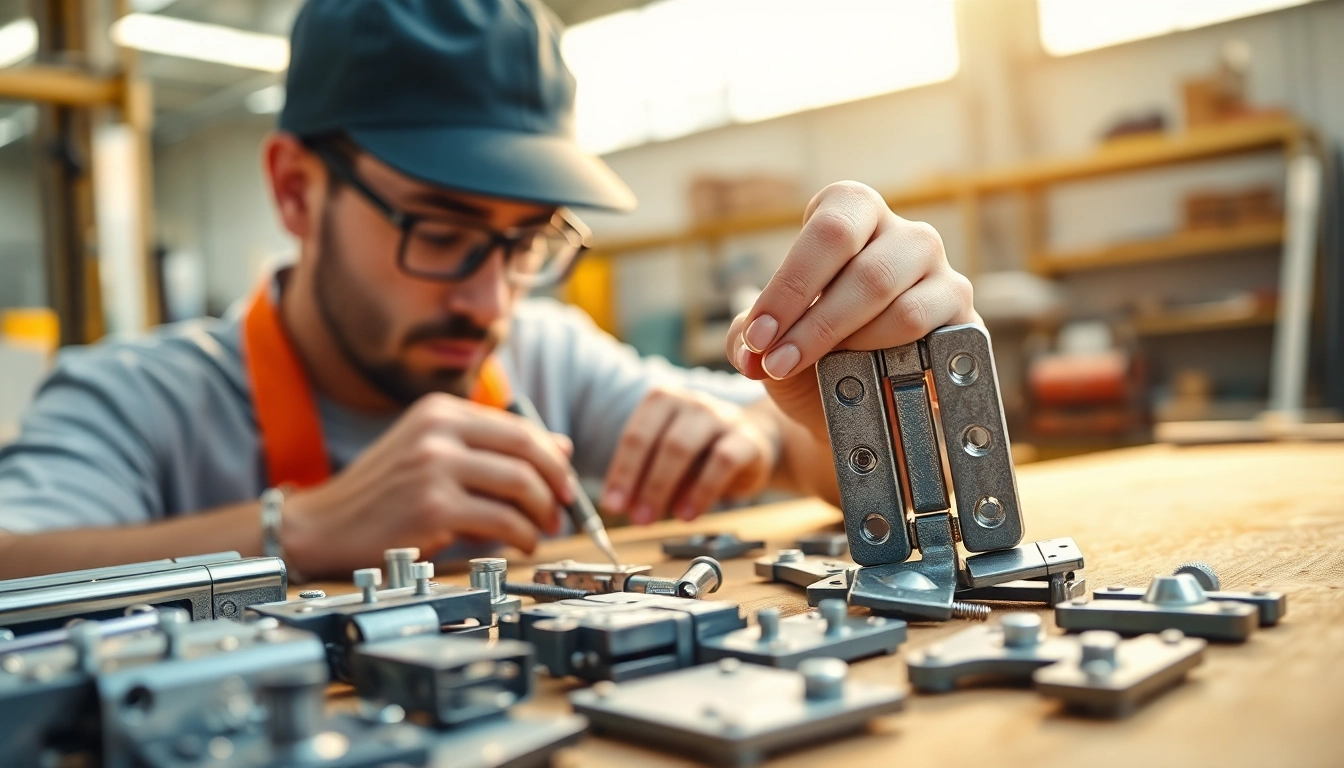
- Butt Hinges: Commonly used in cabinet doors and gates, these hinges are durable and strong.
- Continuous Hinges: Also known as piano hinges, they provide support along the entire length, making them ideal for heavy doors.
- Concealed Hinges: For a clean aesthetic, concealed hinges are hidden within the cabinet or door, often used in modern designs.
- Spring Hinges: These allow automatic closing, making them perfect for doors in high-traffic areas.
Importance of Certifications in Hinge Supply
Certifications can set apart dependable hinge suppliers from the rest. They provide assurance regarding the quality and safety of the hinges. Key certifications to look for include:
- ISO 9001: Indicates adherence to international quality management standards.
- CE Marking: Ensures products meet European safety, health, and environmental requirements.
By choosing suppliers with reputable certifications, you minimize risks associated with product quality and regulatory compliance.
Assessing Quality Standards in Hinge Suppliers
Quality is non-negotiable when it comes to hinges. Poor-quality hinges can lead to mechanical failure, safety issues, and increased costs in the long run. Therefore, it is essential to assess the quality standards implemented by your supplier.
International Quality Standards for Hinge Production
Hinge production must adhere to international quality standards to ensure function and durability. Aside from ISO and CE marking, look for compliance with:
- ASTM Standards: Provides specifications for materials and strength.
- ANSI Standards: Offers guidelines for hinge design and installation.
Understanding these standards will help you identify the most suitable suppliers.
Testing Procedures for Hinge Manufacturers
Robust testing procedures are crucial in ensuring the quality of hinges. Suppliers should implement procedures to test:
- Material Integrity: Tests to verify whether materials meet specified requirements.
- Functionality: Ensuring that hinges operate as intended under real-world conditions.
- Durability: Stress and fatigue tests to assess how well hinges perform over time.
Ask your supplier about the tests they perform to understand the expected product lifespan.
Creating a Quality Assurance Framework
A strong quality assurance framework is a hallmark of a reputable hinge supplier. This framework should include:
- Continuous Monitoring: Implementing a system for ongoing quality checks throughout the production process.
- Training Programs: Regular training for employees on the latest quality standards and techniques.
- Feedback Mechanism: Enabling customers to provide insights into product performance for continual improvement.
By working with suppliers who prioritize quality assurance, you can ensure that the hinges meet your exacting standards.
Evaluating Supplier Reliability and Performance
Reliability and performance are at the core of any successful supplier relationship. Evaluating these can help prevent delays and enhance project success.
Key Performance Metrics for Hinge Suppliers
To analyze the reliability of your suppliers, consider key performance metrics such as:
- On-time Delivery Rate: Measures the percentage of orders delivered on or before the deadline.
- Quality Rate: The ratio of products meeting quality standards versus those that do not.
- Response Time: The speed at which suppliers can respond to inquiries or issues.
Monitoring these metrics will guide you in assessing supplier performance accurately.
Understanding Lead Times and Stock Management
Lead time refers to the time it takes from placing an order to receiving the product. Different suppliers may have varying lead times, which directly impact your project timelines. Consider:
- Standard Lead Times: Understand the average lead time for the type of hinge you're ordering.
- Emergency Procedures: Check if suppliers can accommodate urgent orders and their associated costs.
Effective stock management practices will also ensure you do not run into unexpected shortages, leading to project delays.
Building Long-term Relationships with Suppliers
Establishing strong relationships with hinge suppliers can foster collaboration and reliability. Tips for building these relationships include:
- Regular Communication: Keep lines of communication open and provide timely feedback on products.
- Respect for Agreements: Uphold agreed terms and conditions, fostering trust.
- Shared Goals: Work towards mutual benefits, aligning your objectives with theirs.
Investing in supplier relationships can lead to enhanced services and preferential pricing.
Cost Considerations When Choosing a Hinge Supplier
The lifecycle cost of hinges extends beyond the initial purchase price. Thus, understanding the various cost factors involved can help you make an informed decision.
How to Compare Pricing Effectively
When comparing prices among different suppliers, consider the following:
- Total Cost of Ownership: Include installation, maintenance, and any potential replacements.
- Discounts for Bulk Orders: Inquiry about pricing reductions for larger orders.
Creating a comparison sheet can help visualize the value offered by each supplier.
Balancing Cost with Quality and Service
While it might be tempting to select the cheapest option, always weigh cost against quality and service. Ask questions like:
- What warranties or guarantees are offered?
- What is the supplier's track record in delivering quality?
Balancing cost with these factors will yield better long-term results.
Negotiating Contracts with Hinge Suppliers
Negotiating contracts requires skill and preparation. Ensure you cover key aspects, such as:
- Pricing Structure: Negotiate not only the price but also terms for price increases.
- Payment Terms: Determine flexible payment options that suit both parties.
- Penalties for Non-compliance: Include clear penalties for not meeting delivery or quality standards.
Having a solid contract protects both you and the supplier, fostering a reliable partnership.
FAQs about Hinge Suppliers
What are the key factors to consider when selecting a hinge supplier?
Consider quality standards, range of products, reliability, and past performance to find a suitable supplier.
How do I ensure the quality of products from a hinge supplier?
Request samples, check certifications, and investigate their quality assurance processes for peace of mind.
What types of hinges do suppliers typically offer?
Common types include butt hinges, continuous hinges, concealed hinges, and spring hinges for various applications.
How can I build a strong relationship with my hinge supplier?
Maintain regular communication, ensure timely payments, and provide constructive feedback to strengthen your partnership.
What should I include in my contract with a hinge supplier?
Ensure the contract covers pricing, lead times, quality standards, payment terms, and penalties for non-compliance.