Understanding Paver Patios
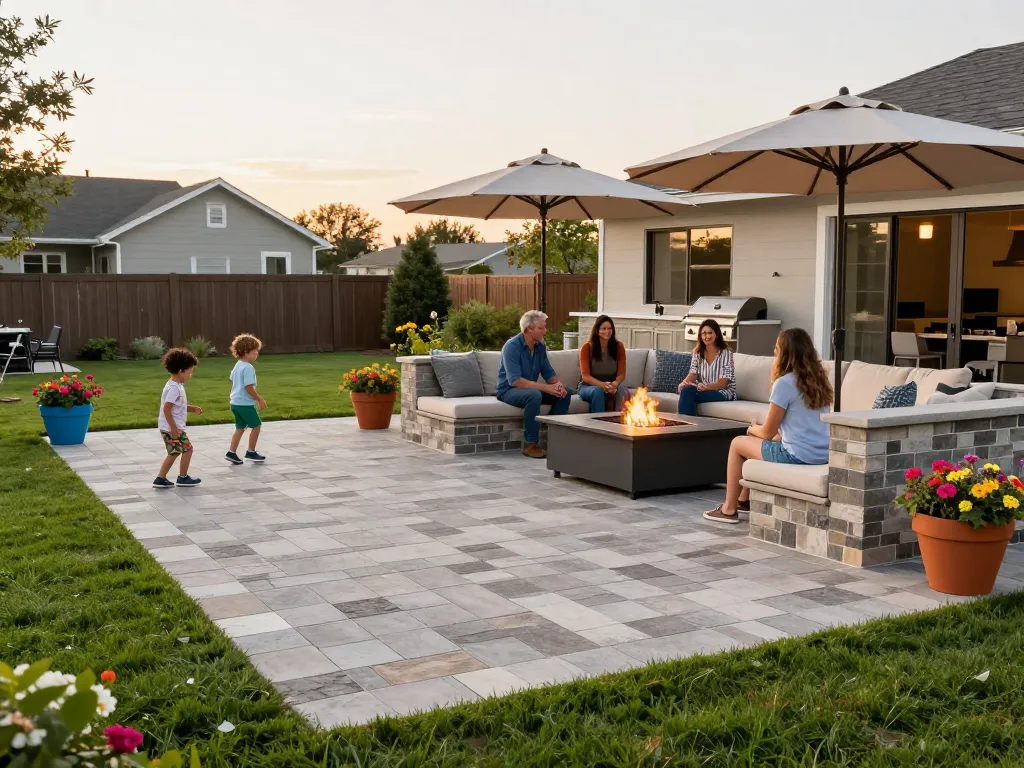
Paver patios are a stunning way to enhance your outdoor living space, providing not just functionality but also aesthetic appeal. Whether you're entertaining guests or spending quality time with family, a well-designed paver patio acts as the centerpiece of your backyard oasis. As we delve into the concept of paver patios, exploring their benefits, materials, and design options, you will discover how paver patio near me can transform your outdoor experiences.
What is a Paver Patio?
A paver patio consists of interlocking stones or concrete units installed on a prepared base to create a durable, visually appealing surface. These patios can be custom-designed to fit a variety of shapes and styles, allowing homeowners to express their personal tastes while complementing their landscape.
Benefits of Paver Patios
- Durability: Paver patios are designed to withstand heavy foot traffic, harsh weather, and even the weight of vehicles when installed correctly.
- Easy Maintenance: Cleaning paver patios is a breeze—simply sweep and wash with water to keep them looking fresh.
- Versatility: Available in various colors, sizes, and materials, pavers allow for endless design possibilities.
- Cost-effective: Paver patios can increase property value and improve the overall curb appeal of your home.
Common Materials Used in Paver Patios
The materials chosen for paver patios greatly influence their appearance and longevity. Common options include:
- Concrete Pavers: Affordable and versatile; can be manufactured in different shapes and colors.
- Brick Pavers: Known for their classic look, brick pavers provide a timeless appearance.
- Natural Stone Pavers: Offer a unique and sophisticated aesthetic; ideal for luxurious outdoor settings.
- Travertine: A popular choice for warm climates, travertine stays cool underfoot and is resistant to slipping.
Choosing the Right Design
When curating the design of your paver patio, consider how it integrates into your existing landscape while addressing your needs for space and functionality. The right design can significantly elevate your outdoor experience.
Popular Designs for Paver Patios
There are several design trends to consider when planning your paver patio:
- Classic Herringbone: This timeless pattern creates an elegant look, perfect for both traditional and modern homes.
- Circle Kits: These kits allow for beautiful focal points, such as fire pits or dining areas, making your patio inviting.
- Geometric Patterns: Using a mix of shapes can lend a contemporary flair to your outdoor space.
Incorporating Landscaping with Paver Patios
Integrating landscaping elements, such as flower beds, shrubs, and trees, around your paver patio can enhance its overall appeal. Select plants that complement the color and style of your patio while also thriving in your local climate.
Using Lighting to Enhance Your Patio
Outdoor lighting plays a crucial role in setting the mood for evening gatherings. Consider installing:
- Path Lights: Illuminate walkways to ensure safety and guide guests to your patio.
- String Lights: Add a whimsical touch by draping string lights across your patio or surrounding trees.
- Spotlights: Highlight specific features, such as architectural elements or landscaping accents.
Installation Process of Paver Patios
To ensure the longevity and durability of your paver patio, proper installation is key. Here’s an overview of what to expect during the installation process.
Preparing Your Site for Installation
The first step involves preparing the site, which includes measuring the area, clearing vegetation, and excavating the ground to create a stable base. A depth of at least 6-8 inches is recommended for optimal drainage and support.
Steps to Properly Install a Paver Patio
The proper installation typically follows these steps:
- Base Preparation: Lay a gravel base to promote drainage, ensuring it is compacted evenly.
- Edge Restraints: Install edging around the perimeter to keep pavers in place.
- Paver Placement: Start placing pavers from one corner, using a pattern that suits your design.
- Filling Gaps: Fill the joints between pavers with polymeric sand to stabilize and prevent weed growth.
- Sealing: Consider sealing your pavers to enhance color and protect against stains.
Common Pitfalls to Avoid
To achieve a successful installation, be mindful of these common mistakes:
- Inadequate base preparation leading to shifting or sinking pavers.
- Neglecting to ensure proper drainage, which can cause water pooling.
- Not following the manufacturer’s guidelines for installation and care.
Maintenance Tips for Long-lasting Paver Patios
Once your paver patio is installed, maintaining it will ensure its beauty and durability for years to come.
Regular Cleaning and Upkeep
Regular maintenance is essential for prolonging the life of your paver patio:
- Seasonal Cleaning: Sweep off debris and use a pressure washer to remove stains. Avoid harsh chemicals that can damage pavers.
- Weed Control: Apply landscaping fabric underneath pavers and use polymeric sand to minimize weed growth.
Repairing Damaged Pavers
Address any cracked or damaged pavers promptly to avoid further issues. Replace cracked pavers with matching ones and refill joints with polymeric sand.
Seasonal Maintenance Best Practices
Winter can be harsh on paver patios. Consider the following:
- Snow Removal: Use a plastic shovel rather than a metal one to prevent damage.
- De-icing Materials: Only use safe de-icers, as some can harm the paver material.
Cost Considerations and ROI
Understanding the costs associated with paver patios and their return on investment is crucial for homeowners considering this project.
Average Costs for Paver Patios in 2026
The average cost of installing a paver patio ranges between $12,000 to $16,000, depending on various factors including material choice, size, and design complexity. This translates to approximately $30-$40 per square foot.
Factors Affecting the Cost of Installation
Several factors can influence the final cost:
- Material Type: Natural stone will generally be more expensive than concrete pavers.
- Labor Costs: Skilled labor is necessary for proper installation, which can affect overall pricing.
- Design Complexity: Intricate designs or additional features like fire pits can increase costs significantly.
Calculating the Return on Investment
Paver patios add significant value to properties, often recouping a large portion of their installation cost. Additionally, they enhance outdoor living experiences, promoting home enjoyment and increasing curb appeal.
Frequently Asked Questions
How much does a paver patio cost?
Costs typically range from $30 to $40 per square foot, varying based on materials and installation complexity.
What factors affect paver patio pricing?
Material choice, labor costs, and design specifications are pivotal in determining final pricing.
Can I install a paver patio myself?
While DIY installation is possible, hiring professionals ensures a high-quality, durable finish.
How do I maintain my paver patio?
Regular cleaning, seasonal upkeep, and prompt repairs are essential for maintaining your paver patio.
What are the best materials for paver patios?
Concrete, brick, and natural stone are the most popular materials, each offering unique aesthetic and functional benefits.