Understanding the Basics of Shop Repairs
Shop repairs are essential for maintaining the functionality and safety of vehicles. These repair services encompass a wide range of fixes and maintenance tasks that are critical for keeping a car running smoothly. Whether dealing with minor issues or major overhauls, understanding the fundamentals of shop repairs can significantly enhance your experience as a vehicle owner. When exploring options, Shop repairs create a pathway for informed decision-making regarding your automotive needs.
What Are Shop Repairs?
Shop repairs refer to the services provided by auto repair facilities that focus on diagnosing, maintaining, and fixing automotive issues. These services can vary widely, from simple tasks such as oil changes to more complex repairs like engine replacements. The primary goal of shop repairs is to ensure that your vehicle operates safely and efficiently. In today’s automotive landscape, shop repairs also increasingly emphasize the integration of advanced technology for diagnostics and repair processes.
Common Types of Shop Repairs
- Preventive Maintenance: This includes routine services such as oil changes, tire rotations, and fluid checks that help prevent more severe issues later on.
- Brake Repair: Essential for safety, this involves replacing brake pads, rotors, and fluids. Attention to brakes can prevent accidents and enhance vehicle performance.
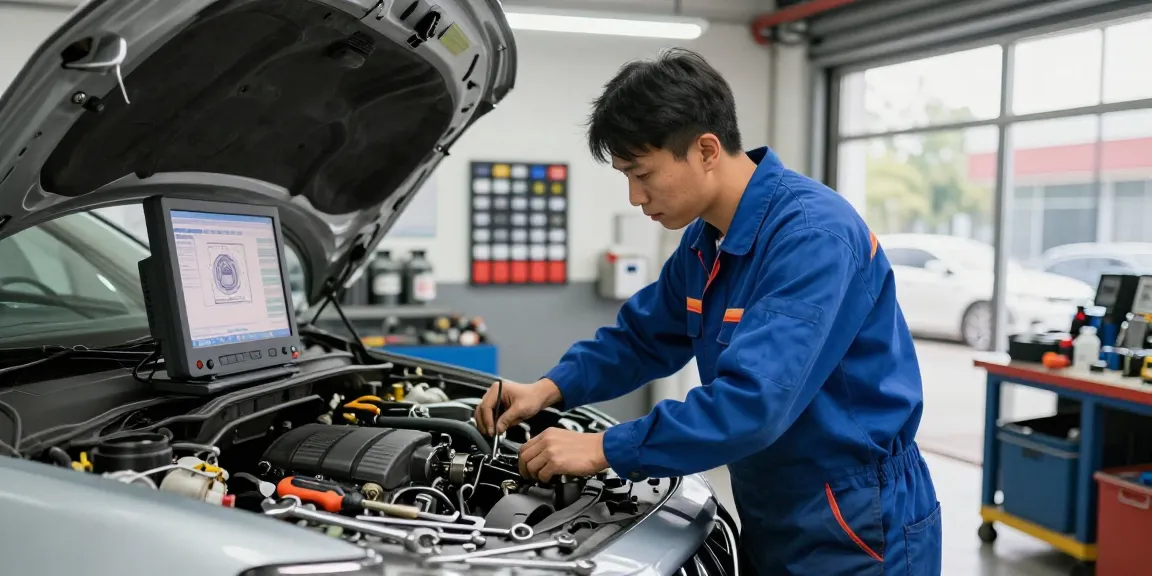
- Engine Diagnostics: Using advanced diagnostic tools, technicians can identify and troubleshoot engine problems, ensuring optimal performance.
- Transmission Services: This involves repairs and fluid changes to ensure smooth gear transitions and overall vehicle reliability.
- Electrical System Repairs: From battery replacements to issues with the ignition system, electrical repairs are crucial for vehicle functionality.
Importance of Regular Maintenance
Regular maintenance is vital to prolonging the life of your vehicle. It not only helps in identifying potential problems early but also can save you money in the long run. Scheduled maintenance ensures that all systems within the car are functioning efficiently, thereby reducing safety risks and improving fuel efficiency. Ignoring regular maintenance can lead to more significant, costlier repairs down the line.
Identifying Common Issues in Vehicles
Being able to identify common issues in vehicles can significantly enhance your ability to maintain your car effectively. Recognizing early warning signs and symptoms of problems can lead to timely repairs that can save you both time and money.
Signs Your Vehicle Needs Repairs
- Strange Noises: Unusual sounds, such as grinding or squeaking, can indicate problems with brakes or other components.
- Warning Lights: Dashboard warning lights are crucial indicators that something is wrong. Ignoring them can lead to severe issues.
- Fluid Leaks: Any visible fluid leaking from your vehicle can signify a problem. It's important to identify the source quickly.
- Decreased Performance: If you notice a drop in power, acceleration, or fuel efficiency, it’s time to have your vehicle inspected.
Understanding Diagnostic Tools
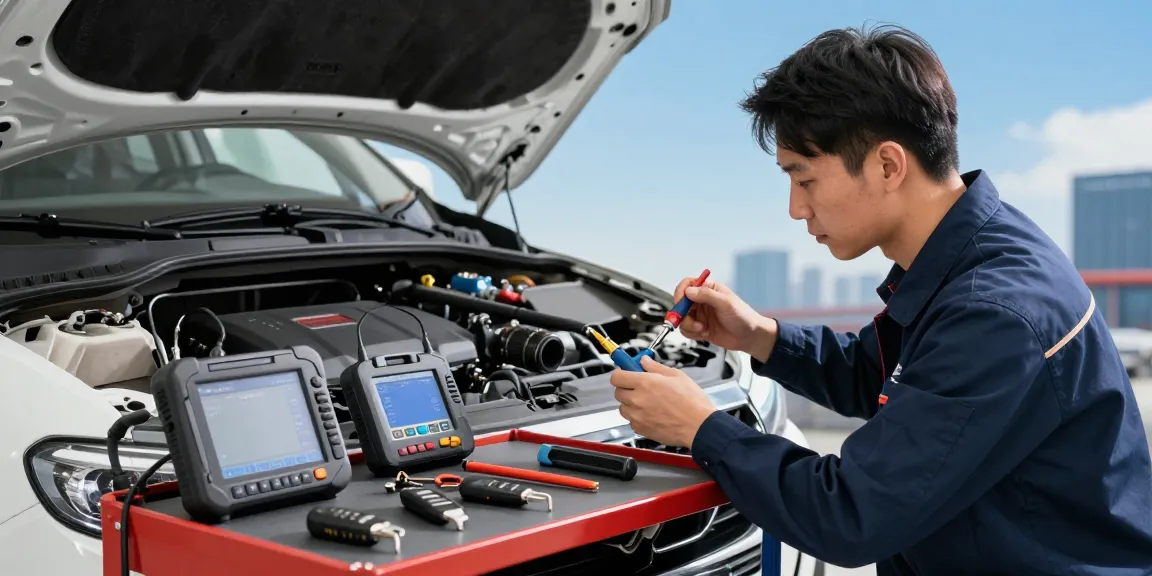
Modern automotive repair facilities employ sophisticated diagnostic tools that allow technicians to accurately pinpoint issues within vehicle systems. OBD-II scanners, for example, can read diagnostic trouble codes that indicate specific malfunctions. Understanding these tools can help car owners appreciate the complexity of their vehicles and the expertise required for effective repairs.
How to Troubleshoot Minor Repairs
Not every issue may require professional help; some minor repairs can be handled by vehicle owners. Common troubleshooting steps include checking fluid levels, inspecting tire pressure, and replacing light bulbs. Familiarizing yourself with basic repair skills can empower you to address minor problems before they escalate.
Choosing the Right Repair Shop
Selecting a reliable repair shop is crucial for a positive repair experience. The right shop should not only provide quality service but also ensure you feel confident in their expertise and integrity.
Evaluating Credentials and Experience
When choosing a repair shop, it’s essential to evaluate the credentials and experience of the technicians. Look for certifications from organizations such as ASE (Automotive Service Excellence), which indicate a recognized level of training and expertise. Additionally, experience in specific vehicle makes and models can be a significant advantage.
What to Look for in a Recommendation
Ask friends, family, or colleagues for recommendations based on their experiences. Online reviews and ratings can also provide insight into the quality of service offered by a shop. Look for consistent positive feedback regarding honesty, pricing, and turnaround times.
Comparing Costs: How to Get Value for Money
Cost is an important factor when selecting a repair shop. However, it’s crucial to balance price with quality. Requesting detailed quotes and understanding the breakdown of costs can help you assess the overall value. Cheaper options may not always provide the best service, so consider factors such as warranty and the quality of parts used in repairs.
Best Practices for Vehicle Maintenance
Establishing a routine for vehicle maintenance can greatly extend the life and performance of your car. Implementing best practices ensures your vehicle remains safe and reliable.
Routine Checks You Shouldn't Ignore
- Tire Maintenance: Regularly check tire pressure and tread depth to ensure safety and improve fuel efficiency.
- Fluid Levels: Regularly monitor and top off essential fluids, including oil, brake fluid, coolant, and transmission fluid.
- Brake Checks: Inspect brake pads and rotors often to ensure safety and performance.
Tips for Extending Vehicle Lifespan
To maximize the lifespan of your vehicle, consider the following tips:
- Follow the manufacturer's maintenance schedule.
- Use high-quality parts and fluids.
- Avoid aggressive driving habits that can cause undue wear and tear.
The Role of OEM vs. Aftermarket Parts
Understanding the differences between OEM (Original Equipment Manufacturer) and aftermarket parts is crucial for making informed repair decisions. While OEM parts often guarantee compatibility and reliability, aftermarket parts can be more cost-effective and readily available. Evaluate the pros and cons based on your specific repair needs and budget considerations.
The Future of Shop Repairs in 2026
The automotive repair industry is evolving rapidly, thanks to emerging technologies and shifting consumer behaviors. Staying informed about these trends can help you anticipate changes and prepare accordingly.
Emerging Technologies in Automotive Repairs
Advancements in technology are transforming the way repairs are conducted. Innovations such as AI diagnostics, 3D printing, and telematics are becoming commonplace. For instance, telematics systems can provide real-time data about vehicle performance, enabling proactive maintenance and repairs that could improve overall vehicle reliability.
Sustainability Trends in the Repair Industry
Sustainability is increasingly influencing the automotive sector. Many repair shops are adopting green practices, such as recycling used parts and oils, utilizing eco-friendly materials, and implementing energy-efficient technologies. As consumers grow more environmentally conscious, these trends are expected to shape the future of shop repairs.
Preparing for Changes in Consumer Behavior
As technology becomes more integrated into vehicles, consumer behavior is also shifting. Vehicle owners are increasingly relying on online platforms and apps for scheduling maintenance and repairs. Repair shops that adapt to these trends, offering flexible online services and transparent communication, are likely to succeed in the evolving marketplace.
How Can I Prepare for Auto Shop Visits?
To prepare for a visit to an auto repair shop, ensure you maintain organized records of previous repairs and maintenance. Being able to provide thorough information about your vehicle's history can help technicians diagnose issues more effectively. Always communicate your concerns and any signs you’ve noted regarding vehicle performance.
What Should I Expect During Major Repairs?
When undergoing major repairs, expect to receive a detailed explanation from the technician regarding the work needed, estimated costs, and timeframes. Be sure to clarify any questions about the repair process and parts required. A reputable shop will provide transparency throughout the repair process.
How Often Should I Service My Vehicle?
Regular servicing is usually recommended every 5,000 to 7,500 miles or as specified by your vehicle's manufacturer. Adhering to this schedule ensures that you address potential issues before they become severe and costly repairs.
Can I Perform My Own Vehicle Repairs?
While some minor repairs can be done by knowledgeable vehicle owners, it's important to gauge your skill level accurately. Basic maintenance tasks, such as oil changes and tire rotations, are often manageable with the right tools and guidance. However, for complex repairs, professional assistance is advisable to avoid potential safety risks and further damage.
What Are the Benefits of Regular Maintenance?
Regular maintenance offers numerous benefits including improved safety, enhanced vehicle reliability, better fuel efficiency, and greater resale value. By investing time and resources into routine care, vehicle owners can enjoy a safer driving experience and avoid the headaches of emergency repairs.