
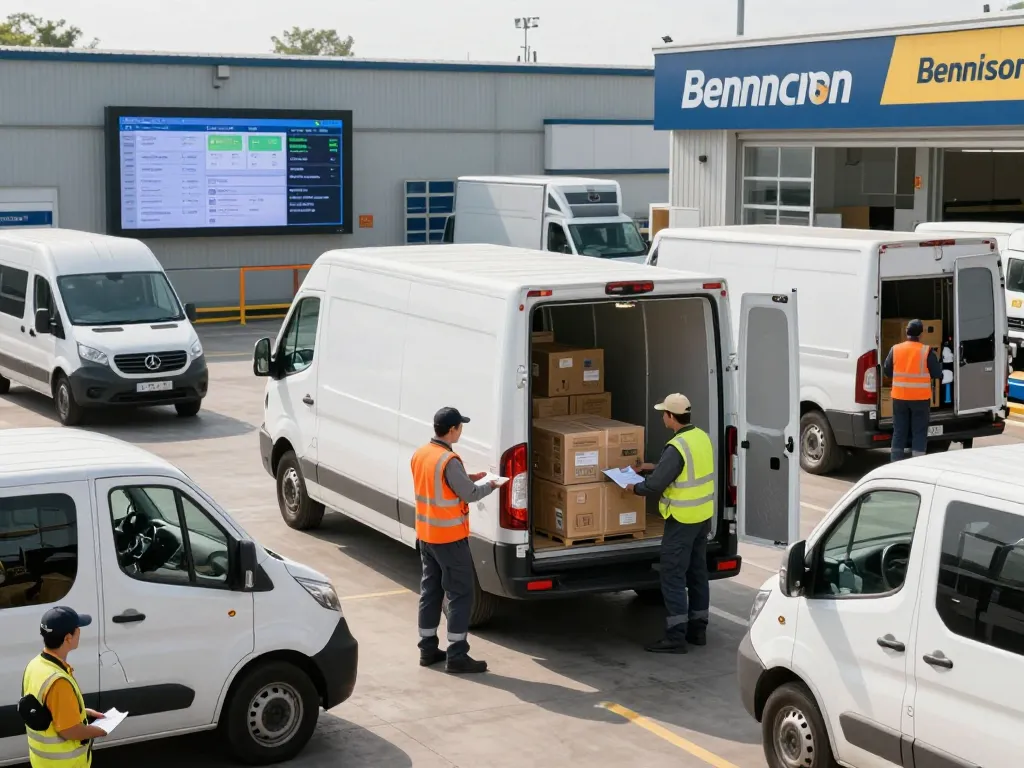
Understanding the Haulage Industry Landscape
The haulage industry serves as the backbone of logistics, enabling the smooth transportation of goods across regions and countries. As businesses increasingly rely on efficient supply chains, understanding the intricacies of haulage becomes crucial for both service providers and clients. In this exploration of the haulage sector, we will delve into its significance, prevailing trends, and common misconceptions that can impact decision-making. When exploring options, Haulage services offer comprehensive insights that can aid businesses in achieving their logistics goals.
What is Haulage and Its Importance in Logistics?
Haulage refers to the act of transporting goods from one location to another, typically by road. It plays a vital role in logistics, ensuring that products reach their destination in a timely manner. Efficient haulage is critical not only for customer satisfaction but also for maintaining inventory levels and meeting supply chain demands.
The importance of haulage extends beyond mere transportation; it directly impacts the overall efficiency and effectiveness of supply chains. A reliable haulage service ensures that businesses can plan their inventory and production cycles accurately, enhancing their ability to respond to market demands.
Key Trends Shaping the Future of Haulage in 2026
- Digital Transformation: The integration of technology in the haulage sector is set to revolutionize operations, improving tracking and transparency.
- Sustainability Initiatives: As environmental concerns rise, the industry is moving towards greener practices, including electric vehicles and optimized routes.
- Increased Demand for Transparency: Clients are seeking real-time updates and detailed reporting on their shipments, driving the need for advanced logistics software.
Common Misconceptions About Haulage Services
Many businesses may harbor misconceptions about haulage that can hinder their logistics efficiency. One common myth is that all haulage providers offer similar services. In reality, service quality, specialization, and operational capabilities can vary significantly between companies. Furthermore, some may believe that choosing the cheapest option is the best strategy; however, prioritizing reliability and service quality often yields better long-term benefits.
Time-Critical Transport Solutions: Why Speed Matters
In a competitive market, speed can be a decisive factor for customer satisfaction. Companies like Bennison Transport, which specialize in time-critical transport solutions, understand that the ability to deliver quickly can enhance client relationships and lead to repeat business.
The Role of Speed in Customer Satisfaction
Fast deliveries not only satisfy customer expectations but also contribute to a business’s reputation. Customers increasingly expect prompt service, and failure to meet these expectations can lead to lost sales and diminished trust.
Moreover, in industries where time is critical, such as medical logistics or manufacturing, delays can result in significant financial losses. Therefore, partnering with a haulage provider that specializes in fast, reliable service is crucial.
Best Practices for Efficient Load Collection
Efficient load collection is essential for maintaining the speed of deliveries. Some best practices include:
- Pre-Planning Routes: Ensuring the fastest and most efficient routes are established ahead of time.
- Effective Communication: Keeping open lines of communication between dispatchers and drivers to quickly address any issues that arise.
- Regular Training: Providing ongoing training for drivers to enhance their skills and awareness of best practices.
Case Study: Successful Time-Critical Deliveries
Consider a recent case where a client required the rapid transport of essential medical equipment from London to Manchester. Bennison Transport was able to collect and deliver the equipment within a two-hour window, demonstrating the effectiveness of their time-critical solutions. This kind of reliability not only solidified the client’s trust but also showcased the operational excellence of the transport company.
Fleet Management and Vehicle Requirements for Haulage
A well-managed fleet is integral to successful haulage operations. The type of vehicles used can significantly affect delivery efficiency and service quality.
Types of Vehicles Essential for Effective Haulage
Different transport needs require various vehicle types, including:
- Small Vans: Ideal for quick, local deliveries.
- Medium and Long Wheelbase Vans: Suitable for larger loads.
- Artic Lorries: Best for long-distance haulage of bulk goods.
Importance of Vehicle Tracking and Safety Measures
Modern haulage relies heavily on vehicle tracking systems that provide real-time data on location and condition. These technologies enhance transparency for clients and enable operators to make informed decisions on routing and scheduling. Additionally, safety measures such as regular maintenance checks and driver training programs are crucial for minimizing risks and ensuring the security of transported goods.
How to Choose the Right Fleet for Your Needs
Choosing the right fleet involves assessing your specific transport requirements, including load types, delivery frequency, and geographical areas served. It’s essential to select a diverse fleet that can accommodate various load sizes and logistics challenges.
Delivering Exceptional Service: Going the Extra Mile
The hallmark of any reputable haulage service is its commitment to exceptional customer service. This involves not only timely deliveries but also proactive communication and problem-solving.
Building Customer Relationships Through Reliable Service
Reliability in haulage builds strong customer relationships. Regular updates, courteous drivers, and prompt responses to inquiries create a positive experience that encourages repeat business.
How Testimonials Enhance Trust in Haulage Services
Testimonials from satisfied clients can significantly influence potential customers’ decisions. They serve as social proof of a haulage provider’s reliability and service quality. Sharing case studies and client feedback on your website can enhance credibility and attract new clients.
Technology Integration for Improved Customer Experience
Integrating technology into haulage operations, such as customer portals and tracking apps, can greatly enhance the customer experience. Clients appreciate the ability to monitor their shipments in real-time and access detailed reports on their logistics operations.
Looking Ahead: The Future of Haulage and Logistics
The haulage industry is on the brink of significant transformation, largely driven by technological advancements and changing consumer expectations. Staying informed and adaptable will be crucial for providers that wish to thrive.
Predicted Developments in Haulage Technology by 2026
By 2026, we can expect to see increased adoption of automation, including autonomous vehicles and drones for deliveries. These technologies promise to reduce operational costs and improve efficiency.
Sustainability Trends Impacting the Haulage Industry
As global awareness of environmental issues grows, the haulage sector is increasingly focusing on sustainable practices. This includes using alternative fuels and optimizing routes to reduce fuel consumption. Companies that prioritize sustainability will likely enjoy enhanced reputation and client loyalty.
Preparing Your Business for Next-Gen Haulage Challenges
To prepare for future challenges, businesses must invest in technology, training, and sustainable practices. Embracing innovation and being proactive in addressing logistics challenges will position companies to capitalize on emerging opportunities in the haulage sector.
What is Haulage and How Can It Benefit Your Business?
Haulage services provide a crucial link in the supply chain, allowing companies to deliver products efficiently and reliably. By partnering with a reputable haulage provider, businesses can improve their operational efficiency and customer satisfaction.
How to Ensure Safety in Haulage Operations?
Ensuring safety in haulage involves rigorous training for drivers, regular vehicle maintenance, and compliance with industry regulations. A strong safety protocol not only protects goods but also secures the well-being of drivers and the general public.
What Technologies Are Essential for Modern Haulage?
Key technologies for contemporary haulage include GPS tracking systems, fleet management software, and automated communication tools. These innovations enhance operational efficiency and improve customer interaction.
How Can Haulage Services Improve Your Supply Chain?
Effective haulage services streamline the supply chain by reducing lead times and improving delivery accuracy. This can lead to increased satisfaction for both businesses and their customers.
What are the Key Performance Indicators for Haulage?
Key performance indicators (KPIs) for haulage include on-time delivery rates, vehicle utilization rates, and customer satisfaction scores. Monitoring these KPIs helps companies to identify areas for improvement and enhance service quality.