
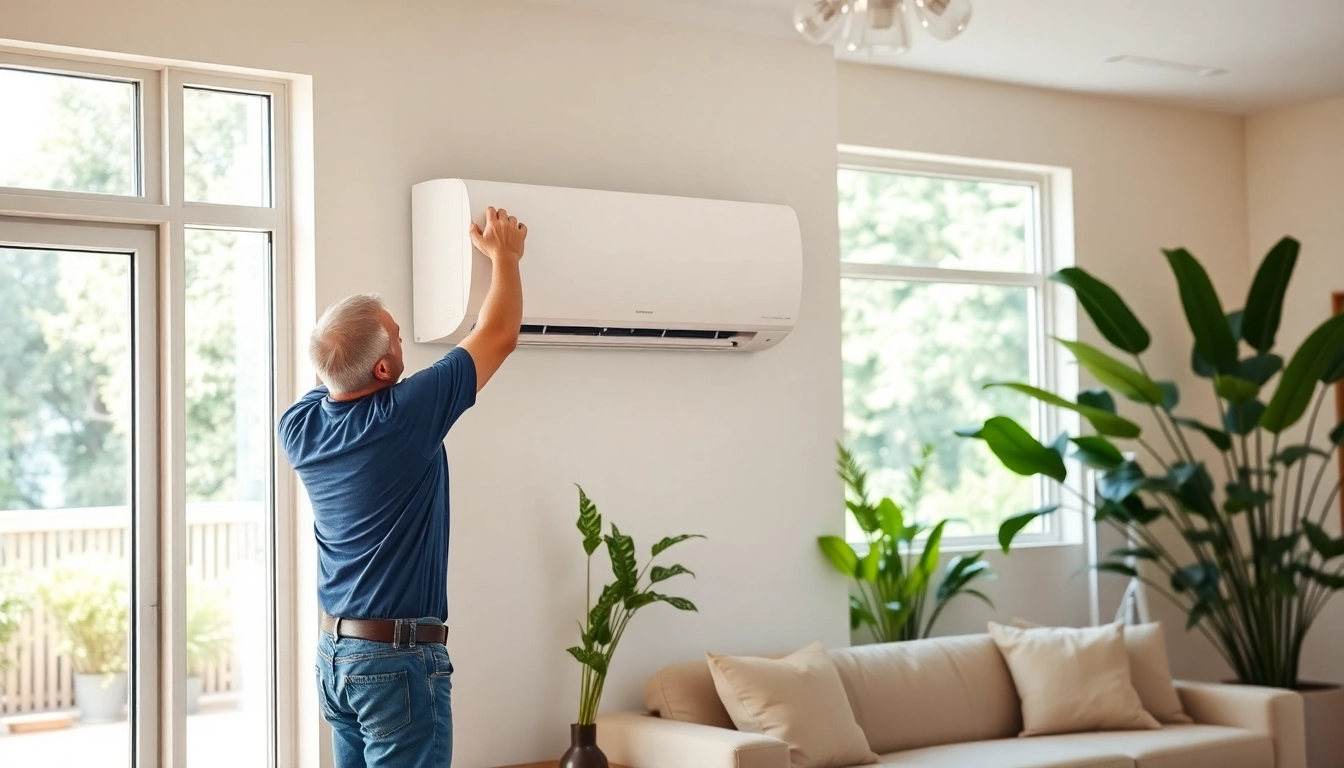
Understanding Mitsubishi Mini Split AC Systems
What is a Mitsubishi Mini Split AC?
The mitsubishi mini split ac is a highly efficient, ductless air conditioning system designed for residential and commercial applications. Unlike traditional HVAC systems that rely on ductwork to distribute cool air, a mini split system consists of an outdoor unit and one or more indoor air handlers. This setup not only economizes space but also enhances the cooling efficiency by delivering conditioned air directly into the living space.
How It Works: Key Components
The functionality of a Mitsubishi mini split AC revolves around its essential components:
- Outdoor Unit: This component houses the compressor and condenser, which expels heat from the refrigerant, enabling it to cool down before it cycles back inside.
- Indoor Units: These are mounted in separate rooms and distribute the cooled air. They can also serve in heating modes during colder months.
- Refrigerant Lines: These insulated pipes carry refrigerant between the indoor and outdoor units, allowing heat transfer to occur efficiently.
- Remote Control: Most units come with a remote for easy adjustment of temperature and settings from a distance.
Benefits of Mitsubishi Mini Split AC Systems
Mitsubishi mini split systems offer several advantages over traditional HVAC units:
- Energy Efficiency: Many models boast high SEER ratings, ensuring minimal energy usage while providing maximum cooling.
- Zoning Capabilities: With multiple indoor units, homeowners can control temperatures in different areas of their home independently.
- Flexibility in Installation: The absence of ductwork allows installation in a variety of spaces that may be difficult for conventional systems.
- Low Noise Levels: Designed for quiet operation, the indoor units whisper rather than roar, creating a comfortable environment.
- Improved Indoor Air Quality: Advanced filtration systems reduce allergens and pollutants, enhancing overall air quality.
Choosing the Right Mitsubishi Mini Split AC for Your Needs
Assessing Room Size and Cooling Needs
Determining the right size of a Mitsubishi mini split AC system is crucial for optimum performance. The capacity of the AC is measured in BTUs (British Thermal Units), where more BTUs are required for larger spaces. An undersized unit may struggle to cool adequately, while an oversized unit can waste energy. Consider using an online BTU calculator or consult a professional to gauge your specific requirements based on room dimensions, insulation quality, and local climate conditions.
Energy Efficiency Ratings Explained
Energy efficiency is a vital aspect to review when choosing a Mitsubishi mini split AC. The Seasonal Energy Efficiency Ratio (SEER) and the Energy Efficiency Ratio (EER) are pertinent metrics. A higher SEER indicates greater energy savings over the cooling season; look for units with a SEER rating above 16 for optimal performance. Additionally, the EER tells you how efficiently the unit operates at peak cooling times and can help indicate the expected monthly operational costs.
Features to Look For
When selecting a Mitsubishi mini split AC, several features enhance convenience and functionality:
- Programmable Thermostat: Allows users to set schedules easily, optimizing energy consumption.
- Multi-Zone Systems: Capable of servicing multiple areas with individual controls.
- Heating Capability: Some models offer reverse cycle heating, providing warmth during winter months.
- Wi-Fi Connectivity: Many newer models include smart technology for remote adjustments via mobile devices.
- Quiet Operation: Units designed specifically for low sound output cater to noise-sensitive environments.
Installation Process for Mitsubishi Mini Split AC
Preparation and Planning Your Installation
Before installation, planning is essential to ensure you select an appropriate location for both the indoor and outdoor units. Criteria to consider include:
- Accessibility for maintenance and servicing.
- A location that minimizes direct sunlight exposure to enhance efficiency.
- A height that ensures optimal air distribution within the room.
- Proximity to the electrical and plumbing systems, which may need to be connected.
Step-by-Step Installation Guide
While hiring a professional installer is recommended, here’s an overview of the general installation process:
- Install the Indoor Unit: Mount on a wall with adequate support and position it high for effective air distribution.
- Install the Outdoor Unit: Position it on a stable base with enough clearance for airflow and maintenance access.
- Connect Refrigerant Lines: Piping should be carefully routed between the indoor and outdoor units.
- Electrical Connections: Ensure proper electrical work to connect the AC unit to the power supply.
- Test the System: Conduct a thorough testing of the unit before finalizing the installation to ensure it runs efficiently.
Safety Considerations During Installation
Safety is paramount during installation. Be mindful of the following:
- Wear proper personal protective equipment (PPE) such as gloves and goggles to prevent injury.
- Ensure sufficient electrical capacity and wiring to handle the new system.
- Handle refrigerants with care, as they can be hazardous if improperly managed.
- Consult a licensed electrician for any electrical connectives to avoid safety hazards.
Maintenance Tips for Mitsubishi Mini Split AC Systems
Cleaning the Filters and Coils
Regular cleaning of the air filters and coils is necessary to maintain efficiency. Filters should be cleaned or replaced at least once a month, while coil cleaning every six months ensures optimal airflow and performance. A dirty filter can reduce system efficiency and raise energy costs significantly.
Regular Inspection and Troubleshooting
Conduct routine inspections to identify potential issues early. Look for signs like strange noises, reduced airflow, or unusual smells. Address these promptly by checking the filters, cleaning the coils, and ensuring the refrigerant levels are appropriate.
Scheduling Professional Maintenance
While basic maintenance can be done by homeowners, scheduling annual professional maintenance is crucial. A technician can perform thorough inspections, check refrigerant levels, and ensure that all components are functioning properly for a long-lasting system. This regular upkeep is also essential for extending the lifespan of the unit.
Frequently Asked Questions About Mitsubishi Mini Split AC
What size mitsubishi mini split ac do I need for my room?
Room size determines the required BTUs. Generally, a cooling capacity of 20 BTUs per square foot is effective. Use an online calculator or consult a professional for specific recommendations.
How often should I service my mitsubishi mini split ac?
It’s ideal to service your Mitsubishi mini split AC at least once a year to ensure optimal performance and to increase its lifespan through routine checks and maintenance.
Is a mitsubishi mini split ac energy-efficient?
Yes, Mitsubishi mini split ac units are known for their energy efficiency, often featuring high SEER ratings that help reduce electricity bills compared to traditional systems.
Can I install a mitsubishi mini split ac myself?
While it is possible, professional installation is recommended to ensure safety and compliance with local codes, as well as to avoid potential operational issues.
What is the lifespan of a mitsubishi mini split ac?
With proper maintenance, a Mitsubishi mini split ac can last 15 to 20 years, providing efficient cooling and heating for your home throughout its lifespan.