
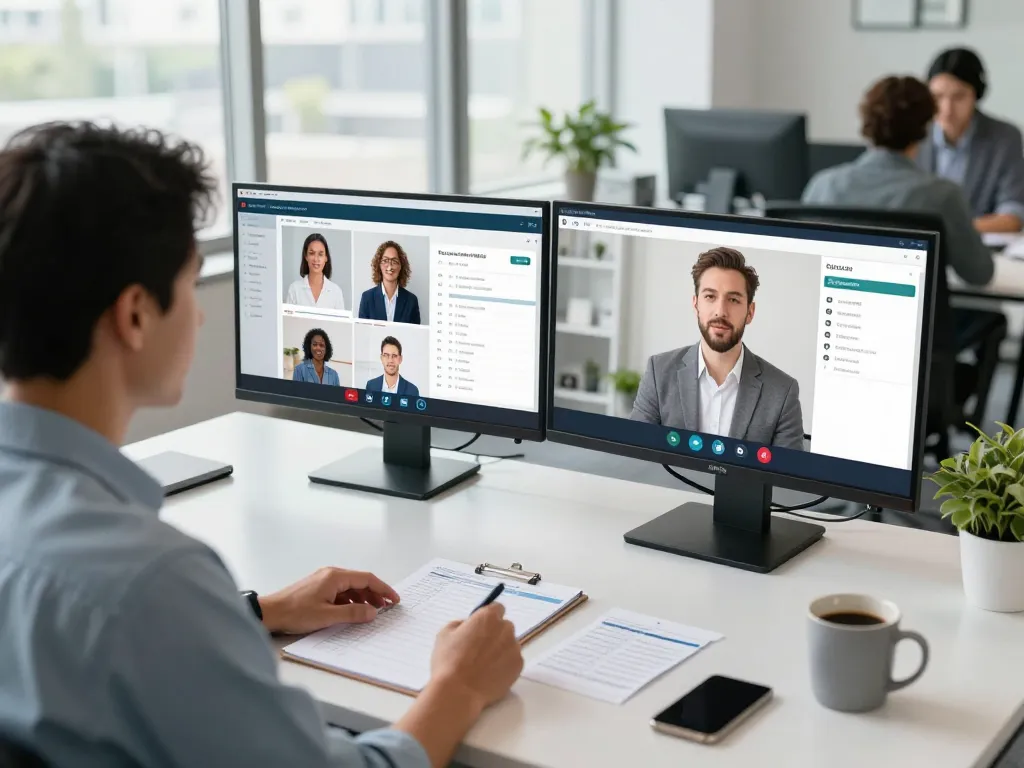
Understanding AI Phone Interviewers in Recruitment
With the rapid evolution of technology, the recruitment landscape is transforming, and one of the standout innovations is the AI phone interviewer. These intelligent systems are designed to streamline the hiring process by automating candidate screenings and interviews. As more organizations adopt this technology, understanding AI phone interviewers becomes crucial for talent acquisition professionals looking to enhance efficiency and candidate experience.
What is an AI Phone Interviewer?
An AI phone interviewer is an automated system that conducts candidate interviews via voice interactions, either through phone calls or browser-based platforms. These systems utilize machine learning and natural language processing to engage candidates in a conversational manner. Unlike traditional interviews, AI phone interviewers can assess multiple candidates simultaneously, generating valuable insights while saving time for recruiters.
Key Benefits of Using AI in Interviews
- Enhanced Efficiency: AI phone interviewers can handle thousands of interviews without fatigue, freeing HR professionals to focus on more strategic tasks.
- Improved Consistency: AI systems apply the same criteria to evaluate every candidate, reducing biases and ensuring fair assessments.
- 24/7 Availability: With AI, interviews can take place at any time, accommodating candidates’ schedules across different time zones.
- Multilingual Capability: Many AI systems support multiple languages, broadening the recruitment pool and appealing to diverse candidates.
How AI Phone Interviewers Work
AI phone interviewers leverage advanced algorithms to create a dynamic interview experience. When a candidate is invited to interview, they engage in a natural conversation with the AI, which listens and adapts based on responses. Key components include:
- Criteria Definition: Recruiters set the criteria for the role, including skills and competencies, which the AI uses to evaluate candidates.
- Conversational AI: The system engages in dialogue, asking follow-up questions and probing deeper into a candidate’s experience and qualifications.
- Data Collection: Interviews are recorded and transcribed, allowing recruiters to review interactions and scores systematically.
Setting Up Your AI Phone Interview System
Implementing an AI phone interviewing system requires careful planning to ensure that it aligns with your recruitment goals. Here are the key steps to establish your system effectively.
Defining Interview Criteria for Success
It’s essential to determine what you expect from candidates before integrating AI into your hiring process. Clearly outline eligibility requirements, competencies, and other must-haves that will aid the AI interviewer in its assessments.
Inviting Candidates: Best Practices
Once your criteria are established, the next step is to invite candidates to participate. Personalize the invitation process to foster engagement. Make it clear that the AI will conduct the interview, explaining its benefits, such as flexibility and efficiency.
Integrating With Your ATS: A Seamless Experience
Seamless integration with your Applicant Tracking System (ATS) is vital for a smooth recruitment process. Ensure that the AI phone interviewer’s output—scores, transcripts, and feedback—can be easily accessed and reviewed in your ATS for efficient candidate evaluations.
Enhancing Candidate Experience with AI
Creating a positive candidate experience is paramount in today’s competitive job market. AI phone interviewers can significantly enhance this experience when designed thoughtfully.
Creating Conversational Interviews: Natural Interaction
To make candidates feel at ease, AI interviewers should mimic human-like conversations. This involves using friendly language, active listening, and responding to candidates in real-time, which helps build rapport and encourages openness.
Addressing Candidate Concerns About AI Interviews
Many candidates may feel apprehensive about interacting with AI during the interview process. It’s crucial to address these concerns upfront. Provide clear communication about how the technology works while reassuring candidates that they will be evaluated fairly and without bias.
Multilingual Capabilities: Reaching a Diverse Talent Pool
With globalization, the ability to conduct interviews in multiple languages is a significant advantage. AI phone interviewers that support various languages enable organizations to tap into a broader talent pool and ensure inclusivity in recruitment.
Maximizing Efficiency in Hiring Processes
AI phone interviewers can significantly streamline hiring processes, allowing recruiting teams to maximize efficiency. Here’s how to leverage AI for better outcomes.
Automated Follow-Ups: Ensuring No Candidate is Left Behind
Missed interviews and incomplete applications can impede the recruitment process. AI systems can automatically follow up with candidates via SMS, email, or calls until they complete their interviews. Such automation ensures that no candidates slip through the cracks, increasing completion rates without additional effort from HR teams.
Real-Time Feedback and Scoring Systems
As interviews are completed, AI generates real-time scores and feedback based on candidate responses. This information can be invaluable for recruiters who need to make quick, informed decisions about who to advance to the next stage of the hiring process.
Scaling Your Recruitment Efforts with AI
In high-volume recruitment scenarios, AI phone interviewers are indispensable. They can conduct numerous interviews simultaneously, allowing organizations to scale their efforts without compromising quality, thus providing a competitive edge.
Future Trends: The Evolution of AI in Recruitment by 2026
As we look toward 2026, several trends are poised to shape the future of AI in recruitment.
Emerging Technologies in Recruitment AI
Advancements in machine learning and AI-driven analytics will continue to enhance recruitment processes. Predictive analytics will allow HR professionals to make anticipatory hiring decisions based on historical data and trend analysis.
Ethical Considerations and Best Practices
As the use of AI in hiring grows, ethical considerations surrounding bias and transparency will be pivotal. Organizations must develop best practices to ensure fairness and accountability in AI-driven recruitment.
Preparing for the Future of Recruitment: Skills and Adaptations
Recruiters will need to adapt to a more technology-driven landscape. Upskilling in areas such as data analysis and AI literacy will become essential for HR professionals to manage AI systems effectively.
How Effective is AI in Screening Candidates?
Research shows that AI can enhance candidate screening efficiency by up to 10 times compared to traditional methods. A consistent evaluation process ensures that top candidates are identified quickly and accurately.
What are the Advantages of AI Phone Interviewers?
The primary advantages of AI phone interviewers include increased efficiency, reduced time to hire, and improved candidate engagement. By automating routine tasks, HR professionals can focus on developing deeper relationships with candidates and fostering a positive employer brand.
Can AI replace traditional interviews?
While AI phone interviewers are revolutionizing how recruitment is conducted, they complement traditional interviews rather than replace them. The human element in hiring remains vital, particularly for roles requiring interpersonal skills.
How do candidates feel about AI interviews?
Candidate reactions to AI interviews vary widely. While some appreciate the efficiency and flexibility, others may feel uncertain or uncomfortable interacting with a machine. Organizations that address these concerns proactively tend to have higher acceptance rates.
What metrics should I track using AI interviewers?
Key metrics to track include candidate completion rates, time taken for interviews, scoring accuracy, and feedback quality. Monitoring these metrics will provide insights into both the efficiency of the AI system and the overall candidate experience.
How secure is candidate data during AI interviews?
Data security is paramount when implementing AI interviewers. Organizations must comply with data protection regulations such as GDPR and ensure that all candidate information is stored securely and used ethically.