Understanding Shower Screen Sliding Door Features
What is a Shower Screen Sliding Door?
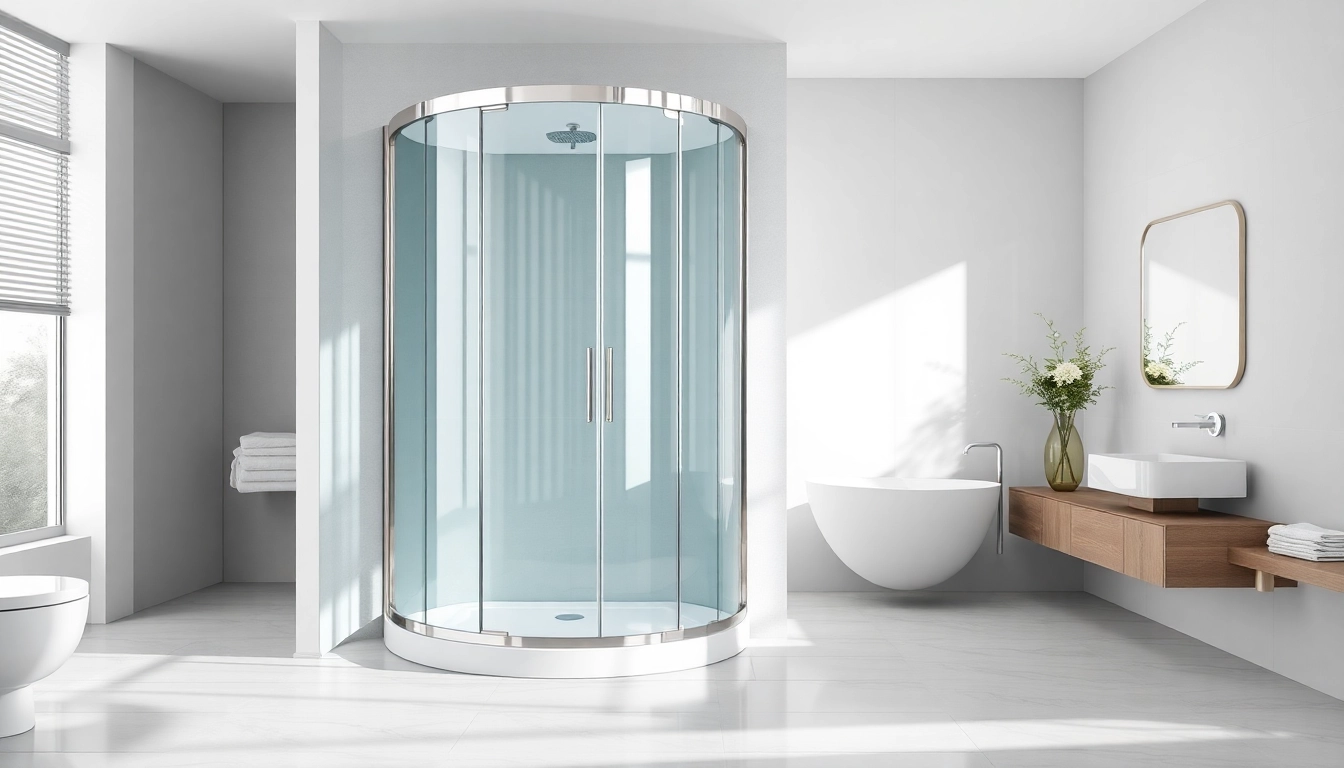
A shower screen sliding door is an innovative entryway solution designed for modern bathrooms. Unlike traditional hinged doors that swing open, sliding doors operate on a track system, allowing them to glide seamlessly along the edge of the shower enclosure. This design not only saves space but also enhances accessibility, particularly in smaller bathrooms where every inch counts. With a variety of styles and finishes available, a shower screen sliding door can also serve as a stylish accent to your bathroom decor. For those looking to explore options, check out this shower screen sliding door selection.
Key Materials Used
Shower screen sliding doors are typically crafted from a combination of materials focusing on durability, aesthetics, and functionality. The most common materials include:
- Tempered Glass: This safety glass is heat-treated to increase strength and minimize the risk of shattering. It often features a frosted or clear finish, allowing for privacy while still embracing an open feel.
- Aluminum Frames: Lightweight yet sturdy, aluminum is commonly used in the construction of sliding door frames. It is resistant to corrosion, making it a frequent choice for wet environments.
- Plastic Components: Many sliding doors incorporate plastic rollers and handles, which are beneficial for reducing noise during operation and easing movement.
- Sealant Strips: To prevent water leakage, sealant strips often made of elastomeric materials are used, ensuring a watertight fit around door edges.
Design Variations Available
The design possibilities for shower screen sliding doors are vast, catering to diverse tastes and needs. Some of the popular design variations include:
- Framed vs. Frameless: Framed doors offer a more traditional look with visible edging, while frameless designs provide a sleek, modern aesthetic that can make a bathroom appear larger.
- Single vs. Double Doors: Single sliding doors are ideal for compact spaces, while double doors can provide a grander entrance and easier access in larger showers.
- Textured or Clear Glass: Textured glass provides privacy without sacrificing natural light, whereas clear glass can create an illusion of space.
- Colored Finishes: Beyond standard silver or chrome, options for black, brushed nickel, and even bold colors allow for personalized designs that fit within any color scheme.
Choosing the Right Shower Screen Sliding Door
Assessing Space Requirements
Before selecting a shower screen sliding door, it is crucial to evaluate your bathroom’s layout. Key considerations include:
- Dimensions: Measure the height and width of the shower opening accurately. Ensure that the track system does not encroach on other fixtures or hinder door movement.
- Accessibility: Consider how frequently the shower will be used. Ensuring a smooth operation is essential for frequent use.
- Room for Operation: Sliding doors need adequate space along the wall to function properly. Review if there is enough unobstructed wall length for the door to slide open smoothly.
Style Matching with Bathroom Decor
Matching the shower screen sliding door with your bathroom decor can elevate its overall aesthetic. Here are some tips:
- Color Scheme: Choose a sliding door finish that complements existing fixtures, cabinetry, and tile. For a modern look, consider matte black or charcoal finishes.
- Material Harmony: If your bathroom features chrome faucets, opting for a chrome sliding door frame can create a cohesive style. Matte finishes pair well with contemporary designs.
- Glass Style: Textured glass works beautifully in rustic or traditional-style bathrooms, while clear or translucent options enhance sleek, modern spaces.
Budget Considerations
Investing in a shower screen sliding door can vary significantly based on materials and styles. To simplify budgeting, consider these factors:
- Material Costs: Tempered glass tends to be more expensive than acrylic alternatives. Aluminum frames might have various price points based on finish and design quality.
- Installation Fees: If you decide to hire a professional for installation, factor in the labor costs. DIY installations can save money but may require more time and skill.
- Long-Term Value: Spending on high-quality materials can incur a higher initial cost but may save you from replacements and repairs in the long run.
Installation Process for Shower Screen Sliding Door
Preparing Your Bathroom
Successfully installing a shower screen sliding door requires careful preparation. Here are the initial steps to take:
- Gather Necessary Tools: You’ll need a level, drill, measuring tape, and possibly a stud finder. Ensure that all parts are ready before commencing installation.
- Clear the Area: Remove any existing doors, curtains, or hardware. Make sure the shower space is clean and accessible for work.
- Inspect for Damage: Check shower walls and floors for damage or mold, and rectify any issues before installing the new door.
Step-by-Step Installation Guide
Follow these general guidelines for a professional-grade installation:
- Measure: Use your measuring tape to determine the precise dimensions of the shower space.
- Install the Track: Secure the top and bottom tracks, ensuring they are level using a level. Mark positions carefully before drilling.
- Attach the Door Panels: Depending on your model, place the bottom rollers into the track before lifting the panel into the upper track.
- Seal the Edges: Apply sealant along the edges and where the door meets the wall to prevent leakage.
- Test Functionality: Slide the door open and closed to ensure smooth operation. Adjust as necessary.
Common Installation Issues
During installation, several issues may arise. Understanding these challenges can help manage and overcome them:
- Misalignment: If the door does not slide smoothly, check that the track is level and that rollers are appropriately set.
- Water Leakage: Ensure proper sealing and adjustments at the edges to avoid any gaps where water can escape.
- Handle Placement: Ensure that handles are installed at a comfortable height and are oriented for ease of use.
Maintenance Tips for Shower Screen Sliding Door
Regular Cleaning Routines
Maintaining a shower screen sliding door requires regular cleaning to avoid residue buildup. Follow these cleaning tips:
- Daily Wipe Down: Use a squeegee or microfiber cloth daily to prevent water spots and soap scum.
- Deep Clean Weekly: Apply a suitable glass cleaner or a mixture of vinegar and water to deep clean at least once a week.
- Inspect Rollers: As part of your routine, check rollers for any debris or buildup and clean as needed to ensure smooth operation.
Preventing Mildew and Mold
To maintain a hygienic shower environment, take steps to prevent mold and mildew growth:
- Ventilation: Ensure proper bathroom ventilation using exhaust fans or windows to reduce humidity.
- Seal Maintenance: Routinely check seals for wear and tear, replacing them promptly to prevent water leaks that can promote mold growth.
- Use of Anti-Fungal Cleaners: Regularly clean with anti-fungal cleaners to inhibit mold and mildew before they become a problem.
When to Replace Seals and Parts
Regularly monitor the condition of your sliding door’s seals and parts. Key indicators that replacement is necessary include:
- Visible Wear: Check for cracks or deterioration on seals or rollers.
- Water Leakage: If you notice leaks around the door edges, it may indicate that the seals need to be replaced.
- Difficulty in Sliding: If the door becomes increasingly difficult to slide, the rollers may require replacement.
Benefits of Installing a Shower Screen Sliding Door
Enhancing Space Efficiency
The design of a shower screen sliding door is inherently space-efficient. Here are a few ways in which they enhance room allocation:
- Compact Design: Sliding doors do not require clearance space like hinged doors, making them ideal for tight spots.
- Optimized Layouts: They can free up floor space, allowing for more room to maneuver within your bathroom.
Adding Aesthetic Value
Beyond their practical benefits, shower screen sliding doors add significant aesthetic appeal to bathrooms:
- Modern Look: Their streamlined design fits seamlessly with contemporary bathroom aesthetics.
- Customization Options: With various styles and finishes available, they can be tailored to match personal taste and existing decor.
Improving Usability and Safety
Utilizing a shower screen sliding door can improve your bathroom’s overall usability and safety:
- Easy Access: The sliding door mechanism allows for effortless entry and exit, especially for individuals with mobility challenges.
- Reduced Slipping Hazards: Unlike traditional doors that may swing open unexpectedly, sliding doors don’t pose the same risks of tripping or slipping.
FAQs About Shower Screen Sliding Doors
1. How do I clean my shower screen sliding door?
Use a squeegee or soft cloth daily to remove water spots, and deep clean with a glass cleaner weekly to keep it looking pristine.
2. Can I install a shower screen sliding door myself?
Yes, with the right tools and instructions, many homeowners can install a sliding door themselves, although hiring a professional is a safe option.
3. How often should I replace seals on my sliding door?
Inspect seals regularly, and replace them immediately if you notice water leaks, wear, or cracks.
4. What materials are best for shower screen sliding doors?
Tempered glass with aluminum frames is a popular choice due to durability, but options may vary based on aesthetics and functionality.
5. Do sliding doors leak water?
If installed correctly with proper sealing, shower screen sliding doors should not leak. Regular maintenance ensures long-term performance.